How to Avoid Film Job Scams – Take Seven

This is the seventh installment of “Bridget gets way too wrapped up in calling out scammers.” You know what to expect.

Let’s look at some new examples:

Turning Off Comments

Scammers have gotten wise to us warning each other via the comments section whether something is amiss. If someone posted a job and imediately turned off the comments, I want you to be wary.

What other details can we see here? I marked a lot of stuff in blue in this screenshot.

  • Mixing up Production Assistant/Personal Assistant
  • Saying this production, which they haven’t filmed yet, will air next month. As if!
  • Veles Productions (I covered a similar one in another blog also pretending to be Veles Productions.
  • The Day rate. Oh boy we have to dig into that one.
  • Bad grammar, improper use of English: “driver’s license in effect,” “be conversant with terminology.”
  • Incorrect job duties: Asking a PA to “guard the set” and help with lighting, props and more miscellaneous stuff.
  • Calling the crew “staff.” I’ve never heard that used on a film set. Ever.
  • Claiming these are 3 hour shoot days. Even the jobs that claimed to me they’d be a few hours ended up being like 13 hours.

Veles Productions is a real production company. They’re based in Poland. But they’re not the ones behind this. Scammers steal real production company names, director names and more to pretend to be someone else in order to trick you.

That Day Rate:

$125.21 for 3 hours.

First off, a “day rate” is usually going to be for a larger chunk of time, like 10 or 12 hours, and after that there’s overtime. Occasionally you’ll see a live event job or a corporate gig that’s only a few hours.

But this fake job post is trying to lure you in with the promise of high return with little effort. They claim you’re working 3 hours a day, total of 12 hours in the week, for $1503.

Let’s not forget that this “day rate” of 125.21 for 3 hours equals about $42/hr. Which is astoundingly high for a PA. That is like a camera operator rate on some gigs. Then if you do the math, $42/hr x 12 hrs = $504. Again, like I’ve pointed out in a previous blog post, the math just isn’t mathing.

Say hi! Cutesy weekly payment scam

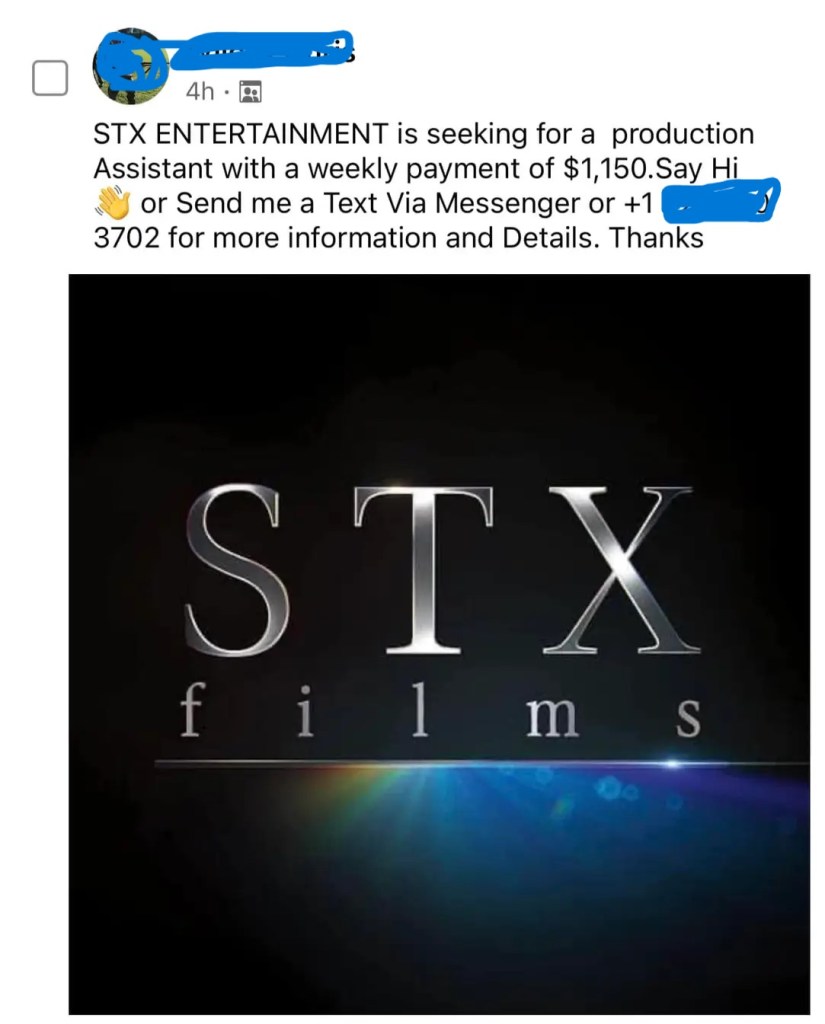
Here’s another one pretending to be a well known company.

This is the type of post that’s way too conversational and cutesy. I’ve seen this “Say hi!” post format a million times. Productions are not going to care if you “say hi.” Sorry not sorry.

Other red flags:

  • “is seeking for a production assistant” bad grammar
  • weekly payment
  • Say Hi + emoji
  • gives a clearly international-leaning number. The +1 is the US country code, but it’s possible this scam is meant to scam anyone in the world. And they could just buy a spoof number.

Scamming Models

This was one that graced the Atlanta Film Production Group for 4 hours before I was able to delete and ban the poster. First, I commented on the post, asking for clarification. Why were they asking for models to act? Wouldn’t you want actors? The poster claimed they wanted models and actors. it still didn’t make sense. Finally a community member came into the comments and said it was a scam. It had been posted in another city with the same dates and details. I did a quick search on Facebook to confirm, and deleted it.

Also look at the comments. The poster’s English is awkward. Saying for the other guy to “go to bed” and “Don’t rubbish another persons project and dream”. That last part feels like British English but even that seems wrong.

Would you like to PAY to WORK on a movie!?

This one is astounding. I covered a similar one in January with another Christian film who wants extras to pay to appear in the movie.


You want me to pay to work on your movie? I’m sorry hun, that’s not how this works!

  • Look at that AI generated image! They don’t have anything real to show.
  • claiming this is a hands on learning experience, hoping to take advantage of newbies.
  • Angling the post at teenagers. Wow that’s like extra illegal?

This screenshot was re-posted to Crew Stories (a pretty fun Facebook group if you haven’t seen it) and the comments have torn it apart. Apparently this Aaron guy has been trying to fund and make this film for like 10 years. Other commenters had personal experiences with the individual and presented their misgivings.

So, what did we learn?

The same old, same old. Look for weird numbers and unreal rates and job positions. Look for incorrect film terminology or a misunderstanding of job titles. Google search names or posts to see if it has been posted or called out elsewhere.

Stay safe out there folks.

Does the Art Directors Guild Suspending their Training Program Signal a Massive Change?

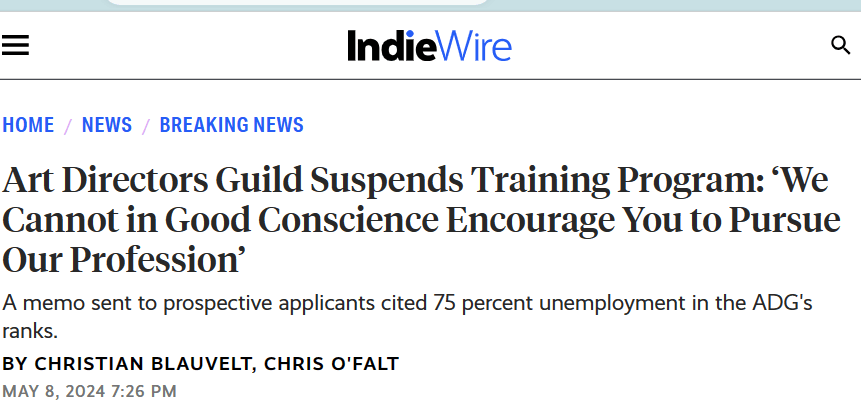
Recently, this article made the rounds:

Read more on IndieWire.

The Art Directors Guild, IATSE 800, is a union representing over 3,000 Art Directors, Illustrators, Scenic Artists, Graphic Artists and Set Designers in the film industry. In the article, we learn that the Art Directors Guild sent an email out announcing they will suspend their training program due to the 75% unemployment rate among its union member’s ranks. This decision is entirely reflective of the ripple effect of the SAG-AFTRA and WGA strikes last year.

“The industry has not resumed a full, pre-strikes level of productions, and it remains unclear if a return to that status quo is possible in a Hollywood gripped by ever-higher costs, ever-lower revenue, and increased production abroad.”

-IndieWire

This also brings to mind how many people I see announcing they are moving to Atlanta and looking for connections in the local film industry. That’s fine but, I hope everyone and anyone who is thinking about going into film for the first time or moving to continue their film career does a bit of research first. We clearly haven’t recovered from the two strikes last year (necessary though they were, they also hurt financially). I also question if we ever fully recovered from 2020, when the pandemic shuttered production across the world.

But with a pandemic that encouraged people to stay inside, there ended up being a lot of TV being consumed. The streaming companies — Netflix, Hulu, Disney+, Paramount, etc — got excited.

In 2021, Netflix boosted their budget almost 30%, putting $13.6 billion into content spending. This article from 2021 predicted their budget would balloon to $18 billion by 2025. An sharp upward trend seemed likely.

In 2023, Netflix content spending was around $17 billion. And before you point out “but 17 is so close to 18!” I need you to realize how vast a number 1 billion represents. If we were to use time as an example: 1 million seconds = 11 days . 1 billion seconds = 31 years.

Streamers are focusing on more original content in order to keep customers interested. There’s also a noted shift into reality style television, as shows like Netflix’s Nailed It cooking competition series are still popular and much cheaper to produce than narrative content. I’ve also talked before about these companies not greenlighting projects and just outright cancelling them to save a buck.

The streaming companies blew their budget on a dream, and now the bill has come due. They over estimated their profitability while fighting each other for market dominance. Instead of one triumphing over the others, we have a consumer base watered down and split amongst many services, if they even have streaming at all. Who misses cable now?

There is also likely a slow up because of this year’s negotiations between the AMPTP and IATSE, Teamsters and Hollywood Basic Crafts. The current 3 year contract expires July 31st. These unions are negotiating for proposals on Pension and & Health Plans, wage increases, residuals and concerns over artificial intelligence.

A strike doesn’t seem as likely this year. For one, the negotiations appear to be making some headway. Several unions such as Local 892 Costume Designers and Local 728 Lighting technicians have reached tentative deals.

But, the reality is that most folks can’t afford to have another strike. That’s concerning because of what’s on the docket but also…totally understandable. Those of us in this position are trying to recoup from last year. Some folks haven’t worked at all this year. That’s unheard of in most other professions.

The fact that the Art Directors Guild suspended their training program is genuinely sad to hear, but it seems to have been done with the very real concern about not putting more pressure on folks who need work right now. As hard as it is to see, not adding trainees in the guild for a time is a kindness. And surely, when things pick up, they can reassess and reopen their ranks to new people.

Will things ever go back or is this a hint at lasting change? The answer is far more complicated than we can surmise right now.

Sources:

Art Directors Guild Suspends Training Program: ‘We Cannot in Good Conscience Encourage You to Pursue Our Profession’

Netflix’s Amortized Content Spending to Rise 26% to $13.6 Billion in 2021, Analysts Project

Analysis: Content Spending Will Slow in 2023 as Streamers Pivot to Profitability; Disney, Netflix to Lead Way

IATSE Lays Out Contract Proposals, Including “Substantial” Health & Pension Plan Increases, As General Negotiations Begin

Georgia film industry sets another economic impact record

The Case for Physical Media in an Increasingly Online World

Many PlayStation users were greeted with this legal notice recently:

PlayStation, due to “licensing changes” is deleting 1200 titles, including those that were purchased by users already, and not offering refunds.

The concept of ownership these days is tenuous. In the before-times, it was pretty clear. If you owned a record, a CD, a DVD…. that’s yours for however long you want it. You could sell it at a yard sale. You could Frisbee it at a neighbor you don’t like. That’s yours for all purposes with certain exceptions for illegal copying or pretending you’re a theater chain and trying to profit off the film yourself.

But as our technology changed, so did the way we consumed our media. Movie rental places were replaced by streaming services. Music aficionados actually pay for Spotify. You no longer have to go to a physical store and find the music you want. You could just yell in your house, “Alexa, play Running up that Hill by Kate Bush.”

Just yesterday I was reminded how things have changed. I was in a Discord with some friends. We were all playing separate games because the Eminem takeover killed Fortnite (don’t judge me) but meanwhile, we were using a bot called Jockie Music to play music for us while we talked. We went through some early 2000s emo, some pop 80s tracks, and on a whim one member played a soundtrack title from Final Fantasy. 800 miles apart, and we were all able to listen to the same music and request what we wanted from a personal digital DJ.

This topic also came to mind recently because I heard Best Buy was phasing out their DVD sales. Then I was in Target for Black Friday and their DVD section was one shelf. In Walmart the same, with the Entertainment section being taken over by tech.

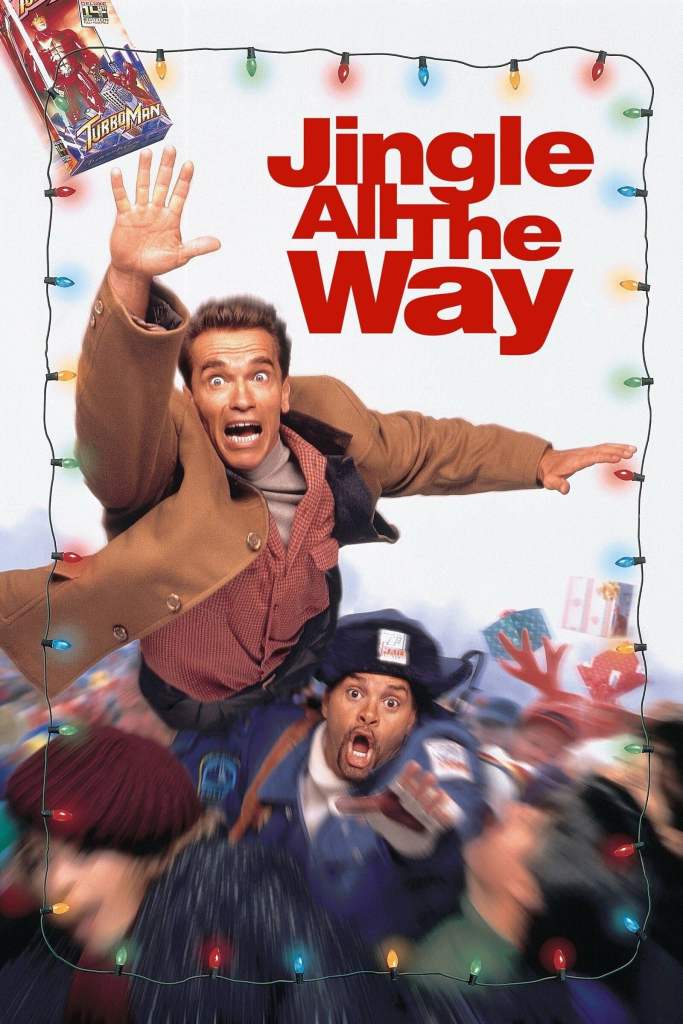
Have you ever tried to look up a movie that is 10, 20, 30 years old and can’t find it? Or better yet, you find it, but it’s not free. You have to rent a movie that’s been playing on regular TV for free for decades. Last year I had a hankering for a bumbling, heavily accented father trying to get his little Anakin Skywalker the hottest toy of the season. I speak of course of the 1996 classic Jingle All the Way.

Pictured here: Me, looking for outdated movies in bargain bins.

I. Couldn’t. Find. It.

I had 4 streaming services to choose from. It was nowhere without having to rent a nearly 30-year-old movie. This year Disney+ has custody, so…cool I guess.

That’s the thing. These streaming services all buy and essentially “borrow” a lot of their content through licensing. They compete against each other. You want to watch all the Spider-mans? And I mean all of them? Good luck finding them all on one service. You can’t even watch the Andrew Garfield movies (all 2 of them) on one service.

Besides the streamers flipping through content like cards in a deck of Uno, you also have the very real possibility that a company will just arbitrarily decide “You know what? We need a tax break.” And they delete their own movie off their service with no physical media to back it up. Gone. That content that cost hundreds of thousands of dollars, and so many people’s time and energy to create… is gone forever.

HBO Max reportedly cut costs last year by deleting 20 shows and movies including those that belonged just to them. That’s content that exists nowhere else.

Surely you’ve also booted up a service like Netflix and started the endless scroll to find something to watch. That’s apparently something these companies are very concerned about. From the previously linked MSNBC article:

“With the coming addition of Discovery+ content, Warner Bros. Discovery executives are concerned HBO Max may get bogged down with little-watched films and shows. That could cause viewers to associate the service with having a lot of stuff they don’t want to watch — the “Netflix problem,” said one HBO Max executive, who asked not to be named because the decision was private.”

Digital content isn’t, necessarily, forever. I feel like the NFT bros have also come to this conclusion.

The case could be made for physical media to experience a resurgence. Heck, record sales are doing well. Yes, vinyl! Vinyl sales were up for the 17th year in a row, though the article I reference did mark a slow in growth, probably due to price increases.

I get it. The way movies have been marketed has been diluted by so many avenues, and folks don’t necessarily have $22 to lay down on a movie to add to their collection. But your favorite movies, the ones you want to go back to time and again? They’re worth it.

Maybe I’ll end this by proposing this ridiculous idea: Physical media on demand. Sure, the vast rows of TV season box sets and various editions of Blu-Ray and DVDs might have to be phased out, but perhaps there should be a way to custom order the physical media you want so it’s only produced when someone orders a copy. Less waste is created. But at least there has to be a way to keep digital copies of movies that were acquired legally. Otherwise, I think the pirates will probably win, and that’ll be yet another struggle in the film industry to fight.

Sources:

PlayStation Store To Lose More Than 1,200 Purchasable Titles – With No Refunds

Where to Watch Every Spider-Man Movie Online in 2023

Streaming services are removing tons of movies and shows — it’s not personal, it’s strictly business

Here’s why HBO Max is pulling dozens of films and TV series from the streaming platform

U.S. Vinyl Album Sales Rise for 17th Straight Year — But Growth Is Slowing

Header image: Photo 26195729 | Dvd © Tonny Anwar | Dreamstime.com

Fear Street and How to Elevate your Horror Film

This post is going to be VERY spoilery for Fear Street 1994, Fear Street 1978 and Fear Street 1666 on Netflix. I recommend you watch them first. There’s some great surprises in this story you’re going to want to experience firsthand.

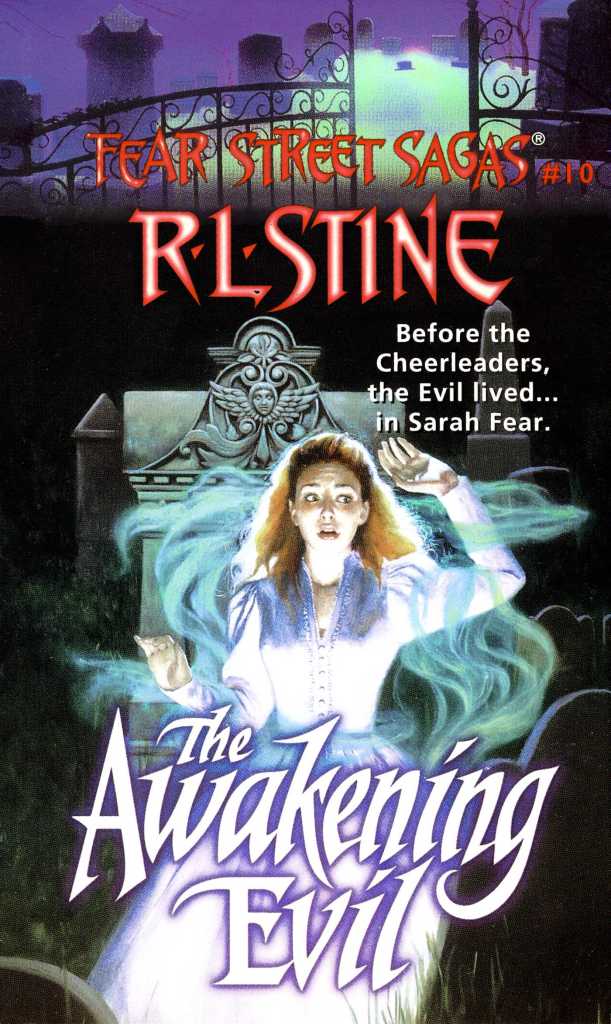
I read some of these Fear Street books as a kid. Each one began with a yearbook. Each one crossed out these pictures as the teenagers were killed off. The story that stuck out the most though was woven throughout the Fear Street and Fear Street Cheerleaders books: Sarah Fear and The Evil.

Sarah Fear was like “I woke up like this.”

The movies are loosely based on these. In this case that’s a good thing — the movies elaborate and elevate the campy horror I loved as a kid to something I really enjoy as an adult. Not only is it good horror, it’s smart.

There are many themes touched upon in the Fear Street movie series. I noted:

  • Racism/Classism (Shadyside vs Sunnydale. Even the names show a clear distinction in their fortunes, but Sunnydale’s good luck is at the expense of Shadyside’s sacrifice)
  • The Societal Harm of Misogyny (Literal witch hunts. Women who spurned the advances of men are accused of witchcraft – sentenced to death for the mere act of denying a man.)
  • Homophobia (The plot begins in 1666 with Sarah and Hannah accused of witchcraft since they love each other.)
  • Legacy and The Choice to Bear it or Break it (The Goode Family continuing their “traditions” to ensure their good fortune at the expense of others).
  • Reversal of Expectations (Goode = Evil. Fier/Fear = Innocence. Sunnydale is full of dark secrets, while Shadyside is innocent.)

I find that good horror, the stuff I want to watch again and again, isn’t just full of cheap scares. Good horror is about something.

My favorite horror movies are in the realm of It Follows, A Quiet Place.

Fear Street decided to be more than just a trio of slasher flicks. It’s clear depiction of classism separates and destroys people. Because one man, Solomon Goode, decided he wanted power over others, he doomed an entire town for generations. “The sun will shine on us yet,” he says, prophesying not that his crops will grow, but that he will be among the chosen few, at the expense of whoever is sacrificed.

Shadyside is plagued with gruesome murder and people being trapped in the town due to financial reasons. “Nobody ever leaves Shadyside” is a poignant line spoken from despondency. Sunnydale is the cookie-cutter perfect town. As long as each generation of Goode sacrifices someone to the evil forces that Solomon summoned, they will remain prosperous and carefree. Who cares if some teenagers die? Or a church full of children? Power over all becomes the ultimate evil here. The pulsating blob of malevolence in the caves is just a personification of that.

Forcing the Shadysiders to kill each other? That’s the whole dog eat dog mentality that plagues the working world. Step on someone to get ahead, that’s what the corporate bigwigs do right?

Nothing like someone over analyzing horror movies to ruin the mood, amiright guys?

But our Shadysiders make the ultimate decision to fight this. Our main characters band together to take down the evil. They fight against expectations and they honor the memory and wishes of Sarah Fier. The truth sets them free, and follows Goode to the end of his days.

When Deena and Sam emerge from the evil caves at the end of the third movie, they emerge in Sheriff Goode’s house. It’s beautiful, perfect, and full of mounted and taxidermied goats. Goats, of course, being a symbol of the Devil. The girls go out to the street, bloody and bedraggled. A neighbor spies them as he’s backing his car up, which causes him to be flattened by a passing truck. Sunnydale’s good luck is over and that is due to the actions of the Shadysiders.

If you are writing horror, you’d do well to take a page from Fear Street‘s book-to-movie adaptation. Making your movie about something other than just an axe wielding serial killer will capture your audience’s imagination, bring to light societal problems in the real world… and possibly lead to a few sequels. Anyone can write about some murderer picking off teenagers, but to make that story more than scares elevates your writing to the next level.

It’s been many years since I read the books, but I believe The Evil was originally Sarah Fear’s revenge personified. I distinctly remember her dying on her passage to America, cursing her sister or somebody for making her go on this journey. The movies decided to go deeper, and the revelation of the real evil was a great twist that made for excellent commentary on classism, misogyny and more.

I’d totally watch more of these, Netflix. Please continue giving Leigh Janiak the chance to direct them.

Designing Impressive Long Takes and Oners

The mark of a good director and cinematographer duo is telling a story clearly through the images that appear on a screen. The great ones find a way to go above and beyond.

One particular shot that separates the women from the girls is the “oner” or “one shot” take. The camera follows the action for a long period of time. Often this can be on a Steadicam, but you might find a fantastic oner accomplished handheld, on a dolly, or on a camera crane. Usually these are dynamic moving shots that change framing and action before your eyes, whereas a normal setup would be to edit a series of shots together.

It’s harder to do things this way, and so the oner must be deliberate and planned to perfection. It’s something you might want to try in your next film.

The best way to design something complicated is to study those that came before you. Here I’ve given four examples of incredible oners that I admire and I know you will too.

The Haunting of Hill House Season 1 Episode 6 “Two Storms

A large chunk of Netflix’s The Haunting of Hill House Episode 6 is a 17 minute long oner that spans huge passes of time, flashbacks, special effects and more. It’s an incredibly complicated task that helped tell this unique story.

Part of what makes this scene so surreal is the fact that it doesn’t break away, doesn’t give a respite from following each character around during this pivotal storm. This genius choreography couldn’t have been pulled off without careful timing and a large well-rehearsed crew and cast.

You can watch the whole episode on Netflix, but you also can get the idea from this clip:

Also worthy of watching is this Making Of Featurette, which shows some of the ways this complicated long shot was choreographed:

Children of Men (2006)

The car scene. Not only is this a long take, it’s fraught with anxiety, showing different views out the windows of the car, placing the viewer in with the passengers of the vehicle. The drama unfolds in real-time, starting off with an innocuous car ride and conversation, escalating into a mad dash away from a hoard of crazy people attacking the car’s occupants.

The way they filmed this scene is actually pretty incredible and technical. At about 1 minute into this featurette, they discuss this particular scene. They used the Sparrowhead Doggie cam, a camera suspended inside the car on a track. The car was also specially designed for this scene. The driver is not actually driving it — there’s a man in front of the car low to the ground who is actually doing the driving. They don’t show it here, but they actually had seats that folded out of the way so the camera could get past the actors. 

Birdman

Now this one gets an honorable mention because the whole movie is structured like it takes place in one long take. There are a number of hidden cuts that make this possible, but there are certainly a number of true long takes. You experience in real time Riggan getting stuck outside the playhouse during the performance and having to navigate a busy Times Square in his tighty whities.

At about 45 seconds into this video, you see a grip positioning a silk in order to adjust the lighting on the actors faces on the fly. The whole movie had to be choreographed with the actors and crew in this way in order to avoid setting up classic lighting scenarios and keep things on the move.

Baby Driver (2017)

It’s Bank Robbery: The Musical but oh so much more. I recently re-watched this movie and I’m telling you — if you haven’t seen it yet, there’s no time like the present.

Baby Driver‘s premise is genius — Baby has tinnitus from a car accident, so he’s constantly playing music through his headphones to drown out the ringing in his ears. That sets the soundtrack to which all the action happens throughout the movie. The car chases, bank robbery, shootouts — everything has been meticulously choreographed and timed to fit the music of the scene.

Check out the “coffee run” scene from early in the movie to see the level of choreography that went into the scene. Not only do the Steadicam operator and Ansel Elgort walk perfectly timed, the action also lines up with key bits of set design — watch for the trumpet and certain bits of graffiti and poster designs that link up with lyrics in the music.

Look at the graffiti that says “Right” at 0:32 and 2:31 you’ll see they added in the lyrics “Shake, shake, shake” and several new lyrics on that wall during the shot. Excellent details.

Kidding Season 1 Episode 3 (2018)

Check out this incredible scene from the Showtime series Kidding.

This scene shows how the character Shaina is inspired by a show and how her life dramatically changes in a shifting scene that transcends time.

This is some incredible behind the scenes here because you can see just how the crew choreographed and shifted the scene from the drab, dreary beginning to a lavish apartment by the end of the scene. Watch and listen to the careful choreography dictated by either the 1st AD or coordinator.

6 Types of One-Take Shots

For some more examples, and descriptions of specific oners (the establishing long take, the exposition, the tracking long take, the fake long take) check out Aputure’s video with Ted Sim and cinematographer Emma Kragen.

https://www.youtube.com/watch?v=27hCXKdyD2U


The Dragon Prince: Beautiful story, Problematic Production

I’m always late to get into the newest Netflix trends. My latest acquisition, The Dragon Prince, I binged all three seasons over New Years. I loved the series, and I had to talk about it.

Got halfway through Ep 1 of Wakfu. Not the same. Nice try, Netflix.

The Dragon Prince is a beautiful and dark fantasy epic. Two human princes and a Moonshadow elf must bring the young dragon princeling to his mother in the land of Xadia in order to end the war between their peoples. They face all sorts of death-defying odds and fun magic adventures with a healthy dose of humor.

What’s great is it’s incredibly diverse cast. Women are portrayed alongside men in combat. General Amaya is mute, and communicates only with sign language. There’s several LGBT characters and it’s not made a big deal of. There’s also wonderful themes of finding yourself and helping others at any cost.

TDP reminds me of one of the best animation series I’ve ever watched — Avatar: The Last Airbender. In fact they share some crew, including a voice actor and the head writer on ATLA Aaron Ehasz, who is showrunner for The Dragon Prince.

Unfortunately, after I tweeted my love to the two people on Twitter who see my posts, I uncovered the controversy associated with the showrunner, and why there likely won’t be a Season 4. Several women accused Aaron Ehasz of misogynistic behavior.

After the trailer for Season 3 dropped in November 2019, several women started talking about their problems with the company.

Lulu Younes said she needed to leave the company for her own mental and emotional health:

Danika Harrod, the former Head of Community Development at Wonderstorm (TDP production company), also said her experience was “painful” and what she witnessed drove her to leave the company. “It was just so much shutting women down, not taking women seriously, not listening to women, firing a woman and then shit talking herHarrod stated on her Twitter account.

At least three women left the company. Soon to be followed by co-producer of TDP Giancarlo Volpe, though it isn’t clear if it’s in relation to the allegations. 

Then there’s this thread by Diandra @Work (@MesaanaSedai) who worked with Aaron — this time at Riot games. As an editor, she was in charge of making sure the narrative of what they were producing was consistent. Instead, according to her, Ehasz usurped her job and make it a team activity, all while treating her as a personal assistant.

Her experience is worth noting, as it corroborates the other women’s accounts.

ehasz response
The comments on Ehasz’s response were a mix split between indignation that he avoided the allegations to promote his own company, to people claiming they’d never believe the women. “If they have proof, awesome, but I’m not going to believe the rumor mill on social media,” one commenter stated. “Word of mouth is not proof, sorry. Camera footage from the offices is proof. Text messages or emails are proof.”

But that’s the thing about workplace sexism and gaslighting — it’s not something that’s often handily encapsulated in an email or text message. It’s an employer or employee acting in the way that these women described — not respecting them or their jobs and treating them a particular way because of their gender.

This inherent disbelief of women’s experiences is the very reason why they don’t come forward on these allegations in the first place. They’re afraid they won’t be able to work again. Television is a flighty career path — cross the wrong person and you find you never work again.

A company — and the product it creates whether it be a TV series or video game — benefits greatly when you bring a variety of voices to the table. That’s why seeing this kind of controversy associated with a piece of media I really enjoyed is so upsetting. It’s why seeing articles like this after the #MeToo movement is head-smacking-against-the-desk frustrating.

I may be slow on the uptake when it comes to watching the latest Netflix craze, but the powers that be are incredibly slow in treating their women employees as equals — and that needs to change.

The Dragon Prince is still a beautiful series, worthy of being made an example of for its incredible characters and deep world building, though the real stories behind the scene do negatively color my experience. Luckily the women who had to leave the company found good jobs, but the problem of gaslighting still persists. Let this be a two-fold lesson: How to write a good series …and how to treat your employees as people.

Sources:


Media Parodies Media: The Bojack Horseman Story

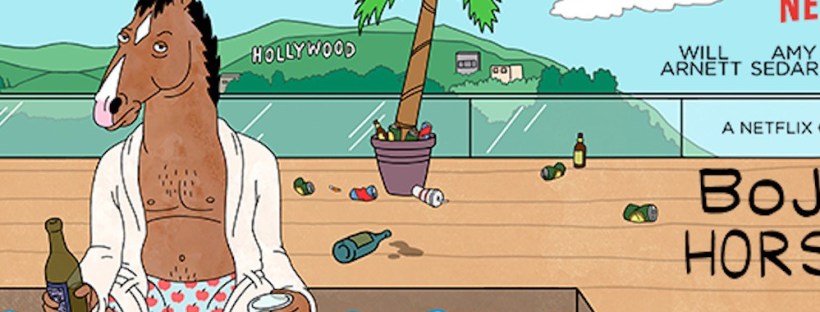
Bojack Horseman is a Netflix Original that premiered in 2014. It’s a dark humor animation with anthropomorphic animal people navigating the shallow world of Hollywood. Somehow, I didn’t get around to this show for four years. Then I binged four seasons in an embarrassingly short time.

I was surprised by how emotionally invested I became with Bojack‘s cast of characters. Real human drama and timeless themes exist within the animated packaging featuring a talking horse.

At first, Bojack Horseman is a very nihilistic look at a ex-sitcom star’s messed up life. Booze, drugs, one night stands, many questionable decisions… it’s a fun ride to watch Bojack spiral out of control. But from the beginning the writers subtly tug at your heartstrings by fleshing out his character as well as those of the ones around him.

Bojack acts out and gets himself into trouble because, plain and simple, he’s not happy. There are the glimpses into his truly awful childhood and parents who never really wanted him, all of which ended up with Bojack becoming a washed up ex-sitcom star.

Portrayal of Media and Hollywoo(-d)

What the show does especially well is parodying the media and entertainment industries. From “A Ryan Seacrest Type”– a vapid Hollywood reporter who comments on whatever inane news has surfaced, to media-fueled squabbles over apple muffins and the insane things stars do for attention.

Amid the laughs are some really poignant digs at Hollywood in general (re-named Hollywoo after Bojack stole the D in a booze-addled stupor).

In the episode where Mr. Peanutbutter and Todd come up with the Oscar nominees, reading the whiteboard behind them was insightful and relevant. Last year’s #OscarsSoWhite scandal was put in sharp relief as they had written down “black people” and then crossed it out.

If you notice, the board also includes only female names in “Best Director” — a stark contrast to the reality. In 2018, Greta Gerwig became only the fifth female director to even be nominated for the Best Director Oscar for Lady Bird. So far the only female director to win has been Kathryn Bigelow in 2009 for The Hurt Locker.

oscar_noms.png

Bojack also parodies what happens to some child stars. With Sarah Lynn, you see the stark contrast between the innocent girl on the 90’s sitcom to the coked out mess she becomes later in life.

The Human Element

Part of the reason we care so much about these characters is because of their very real struggles:

Princess Carolyn — Cutthroat in the world of being an agent/manager, but almost always at the brink of failure. She also feels unfulfilled and wishes for a family, but is possibly past the point of no return.

Todd — discovering his sexuality. I think so far this is the only time I’ve seen a character in a show discover they are “Ace.”

Diane — Just…everything about Diane. Her issues with her family and her career struggles make her a relateable, anxiety-ridden character.

Season Five

Bojack Season 5 premiered recently. There were a couple of episodes that really stood out, like the one that centered around Diane’s exploration of her ancestral routes (for a Buzzfeed-like story she was writing) and an episode that centers around Bojack giving a speech at a funeral that doesn’t cut away and is simultaneously hilarious, dark and uncomfortable.

Season 5 wasn’t my favorite, but it still represents part of a quality piece of entertainment. If you haven’t tried this series yet, it’s about time.

The Women of Stranger Things

What makes a strong female character? The details matter, regardless of gender. Characters should be multifaceted. The problem is we often see the stereotypes, the lowest common denominator. Female characters are often the mother, girlfriend or love interest and not much else.

You can use the Bechtel-Wallace Test as a guide. With this test, you ask if a work of fiction presents two female characters who talk to each other about anything other than a man. The test is helpful in finding better represented female characters, but it is flawed and limiting.

A strong character not only reacts to what going on around her but is also proactive and a main character is instrumental in moving a plot forward.

Well written characters are fully realized humans, not just cookie cutter impressions.

Although Stranger Things focuses a lot on the four main preteen boys, there’s also a great number of fantastic female characters. Let’s look at what makes them so special.

eleven

Eleven: The Wild Card

The one we all secretly wish to be.

Eleven is our obvious hero type, but she also displays a sweet childlike innocence due to her lack of knowledge of the real world.

Eleven is strong  not just because of her powers, but her depth. Each episode reveals more about her.

She has a complicated parental relationship with Papa and Hopper. Her search for family brings her to the boys, Hopper, Mama and Roman’s gang.

She is also a little bit scary. Her power, and willingness to kill, make her a very potential bad guy if she had only stayed with the Hawkins Lab. Since she escaped, she has learned a great deal about the world and what to appreciate.

Joyce

Joyce: The Detective

Joyce is wonderful because we finally get a TV mom worth watching. Her detective skills in two seasons show she is willing and capable to do anything to save her son.

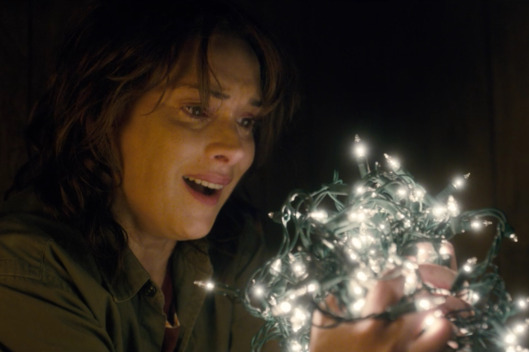
Although she skirts insanity, talking to Christmas lights and chopping into a wall like Jack from The Shining, Joyce is instrumental in saving Will.

Nancy.jpg

Nancy: The Warrior

She easily could have been the damsel in distress. Instead, we learn Nancy will do whatever it takes to get answers and justice for Barb. We also see Nancy as one of the only characters capable of taking up arms against the Demogorgons.

When Hopper asks one of the boys if he can handle a shotgun, Nancy confidently takes it from him instead. She may be freaked out by what has gone on in the town, but she’s not hiding from the fight.

mad max.jpg

Max: The New Girl/Zoomer

Season Two introduced Max as the new girl in town, there to rival the boys at the arcade and in their friendship.

She’s a bit of a cool girl stereotype, but she has her development. Her troubled household has caused her some bitterness. She has an inner battle to fight.

We didn’t get quite enough of Max’s character but there is a lot of potential for her in Season Three.

terry ives.jpg

Terry Ives

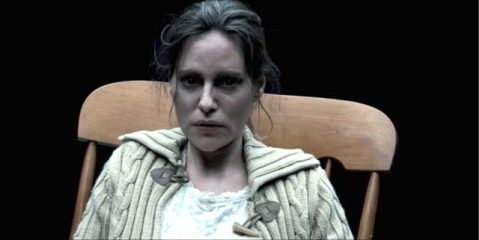
We only see Terry in a flashback and catatonic in the present day, she was a formidable force in her time. She shows a conviction in pursuing her child years after her abduction. There may be more that Terry could teach us.

eight.png

Roman: The Rebel

The introduction of Roman answers the question we had since the beginning: Are there others like Eleven?

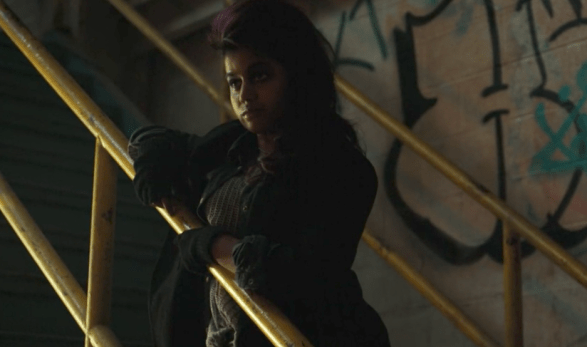
She is the child who fully rebelled against Hawkins Lab. She is brutal in her retribution, but also has a soft spot for family matters, just like Eleven.

Although her moral compass could use a tuneup, Roman provides the emotional stimuli Eleven needs to beat an ultimate foe.

Takeaway

“What’s the trick to writing a great female character? Make her human.” — Nicole Holofcener, director and screenwriter of Lovely & Amazing and Friends with Money.

Just because you’re writing a female character doesn’t mean the character development stops at that extra X chromosome. Our entertainment is so much more engaging and meaningful when the characters are better written.

Sources

Bechdel Test

Writing Better Female Characters

35 Powerful Quotes by Women in Hollywood

Binge Culture and How it Changed TV

TV just isn’t the same as it used to be.

The days of only catching a new episode as it aired are mostly gone, replaced by technology like DVRs, networks uploading new episodes online and streaming services.

It was Netflix that really brought the idea of binge-culture to the forefront with its original programming, dropping entire seasons all at once instead of spacing episodes out. This has lead to original content that defies traditional television in ease of choice, structure and content while also changing the speed at which we watch a series.

house of cards

Original Content Becomes Popular

When Netflix made the switch from mail order to mostly streaming, things really changed. Entire seasons of shows were now available to watch. Better yet, anyone who wanted to try something new didn’t have to spend the money on a DVD boxset.

In 2013, Netflix started offering original content. That was the year that House of Cards, Orange is the New Black and Hemlock Grove premiered.

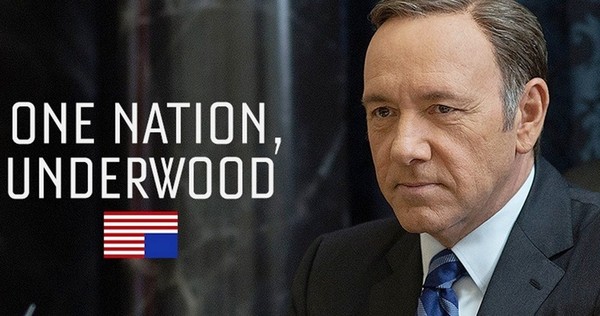
After the blockbuster success of shows like House of Cards and Orange is the New Black, Netflix poured more energy into original content. Although Netflix doesn’t release viewership numbers, it’s estimated that 6.5% of Netflix subscribers have seen at least one episode of House of Cards’ third season. That puts the viewership around 5 million.

OITNB

Structure

Besides the fact that Netflix found some great content to put out, we also see different stories and structure than normal traditional television.

Your typical 1 hour show is actually around 42 minutes without commercials. It has clear act breaks and wraps up a storyline within that 42 minutes. In anything other than comedies, you will typically find a season arc, with a big end goal in sight for the finale.

The content geared for internet viewership tells a different story.

Now you’ve got anywhere from 29 to 60 minute shows, no commercials and a season that is meant to be watched in a frenzied rush. Episodes of dramas are not stand-alone. The content is meant to be enjoyed in sequential order.

Although there are typically less episodes in a season, streamable content is able to serialize a larger story, while taking opportunities to take an occasional detour to add more to the mix. When not constrained to the typical TV formula, problems no longer have to be tidily wrapped up in each episode. The form of the show is now more fluid, open to interpretation and full of irresistible cliffhangers to keep you watching.

strangerthings.0

Culture

Beside the form of our television, we also see a major shift culturally.

Social media has made it nearly impossible to avoid spoilers of our favorite shows.  Statuses, memes, Tweets, internet comments…no where is safe from spoilers.

Even worse than that is the pressure you feel if you haven’t tapped into the latest Internet show. “What do you mean you haven’t seen Stranger Things!?” If you have Netflix, there’s no excuse. You need to be in on the craze.

Plus you have to binge these series because you know someone else will.

About 70% of Netflix users will binge watch at least one show a month.

Besides the original content, users tend to binge established older shows like Family Guy, The Office and Futurama… the ease of just hitting play and having the season play out is too good to resist.

The Takeaway

When millions of people are binging the same shows, analyzing them, recommending them — the networks pay attention. They will give you more of what you want.

I’ve just binged Stranger Things Season 2 in two days, and now I’m deep into the after show Beyond Stranger Things. Maybe I’ll have to tap into some more Netflix shows during a potential year of waiting for more. Netflix and its shareholders would certainly like that.

Netflix may have made us binger-watchers, but it’s our binging that determines what content is produced. The only question remaining: can traditional TV keep up?

Sources:

How Network TV Figured Out Binge-Watching

Here’s How “House of Cards” Viewership Stacks Up Against the Offline Competition (Maybe)

An Analysis of Netflix Power Binge Watchers