Lights, Camera Remake! A Podcast about Hollywood Unoriginality

Yet another person with a podcast. Oh my goodness. But let me explain.

One of the age-old complaints about movies and Hollywood in general is that there’s no originality left. We see endless remakes, reboots (slightly different), sequels, spinoffs and adaptations. Can’t they come up with anything new?

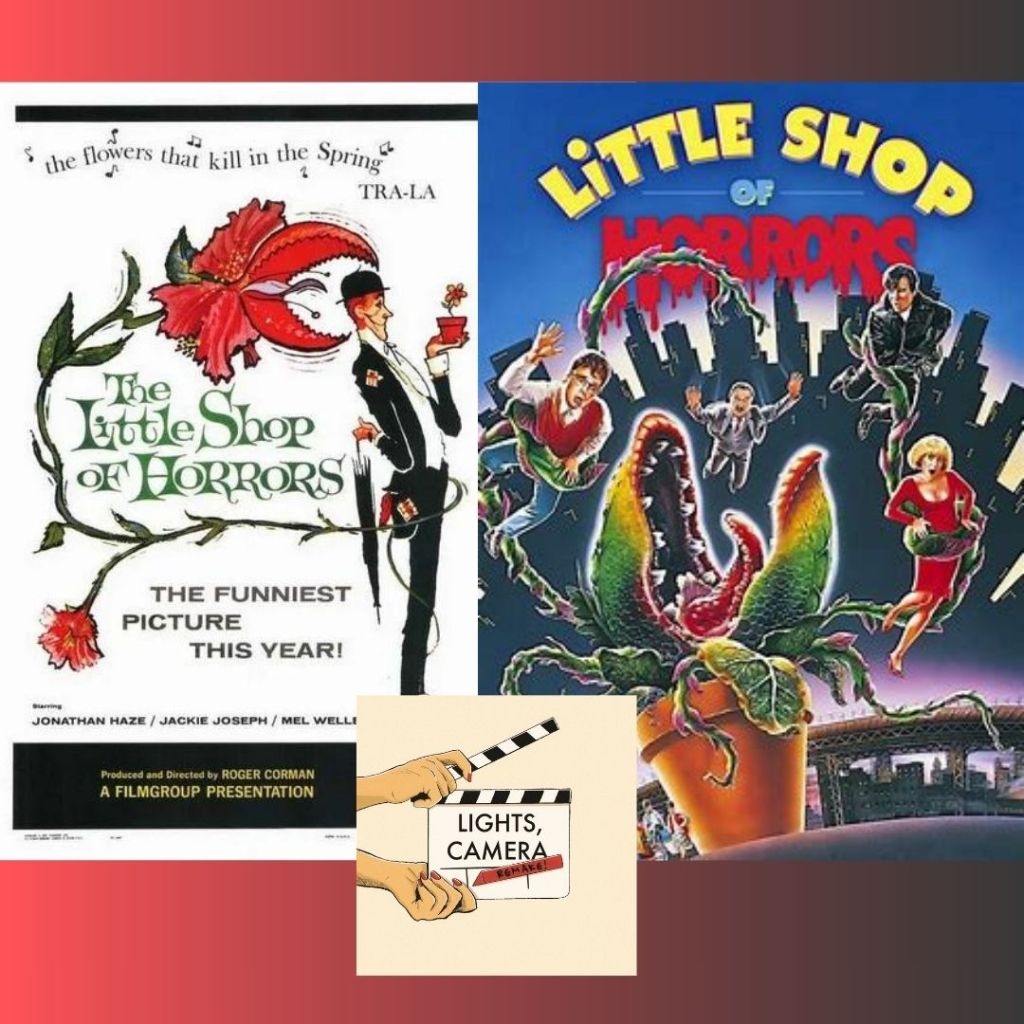
As I began to dig into this idea, I found some surprising things. Like the fact that Little Shop of Horrors -the musical comedy horror starring Rick Moranis and Ellen Greene? – was actually a remake of a low budget movie from 1960. Did you know that Martin Scorsese’s The Departed is based on a 2002 Hong Kong film Internal Affairs? 1998’s You’ve Got Mail is a remake of The Shop Around the Corner (1940). Ocean’s Eleven (2001) is a remake of Ocean’s Eleven (1960).

A remake of an old movie can bring a classic story to a new audience… and also sometimes make audiences really angry.

That passionate knee-jerk reaction is worth discussing.

I’d love to see more originality in the movie theater. The problem is — those movies have a harder time finding an audience.

Hollywood studios and executives are running a business, and they want to make money. And working with something that has established IP (like a Marvel movie, or a book adaptation, a remake) somewhat guarantees an audience will attend. At the end of the day, they just want to make money and make their shareholders happy. And they want to keep their jobs.

Anyway, my friend Erica Strout and I got talking, usually at work in between setups or at lunch. We met on a reality show TV show with myself working as the camera operator and Erica as my camera assistant. We became fast friends. And then we watched movies together. And had a lot of discussions about film in general.

Now we’re doing the Lights, Camera, Remake! Podcast.

This amazing artwork created by Taylor Rebyanski!

Is it always a bad thing to see a remake of a classic (or possibly unknown) movie? Our podcast looks to break it down and see if there’s merit to Hollywood shirking an original idea for a retelling.

On each episode we’ll look at a movie and its remake, or sometimes a movie and its sequel, to determine if Hollywood rehashed it for a reason or for a cash grab.

Episode 1 is about Solaris (1972) and Solaris (2002).

Solaris is an atmospheric Russian science fiction film based on a book. It was later remade in 2002 starring George Clooney.
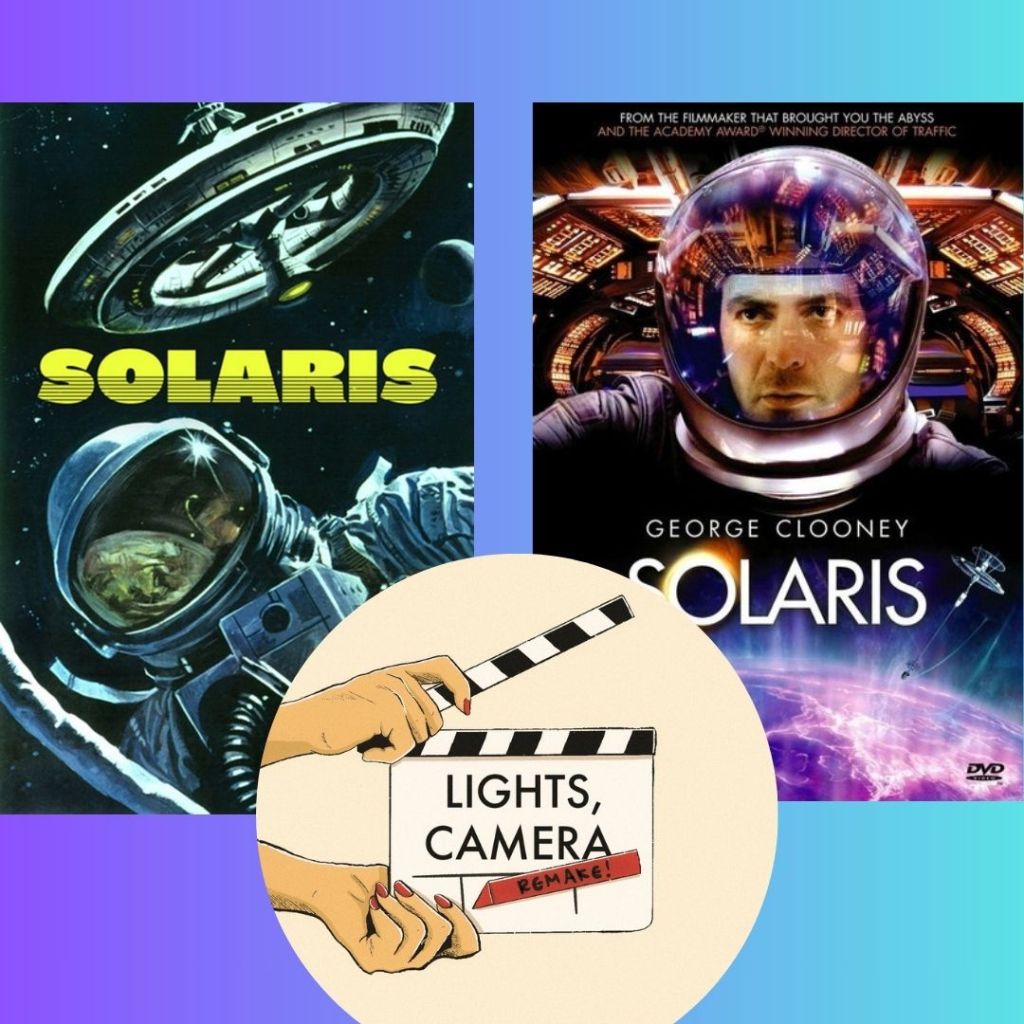
You can listen to the episode on Spotify or right here:

Episode 2 is Little Shop of Horrors (1960) and (1986).
Next up this week is Weekend at Bernie’s! The episode will be uploaded on Wednesday, Jan 22.

Follow us on Spotify, Instagram and Facebook!

https://www.instagram.com/lightscameraremakepodcast/

https://www.facebook.com/profile.php?id=61560111332548

We’ve also got an email you can submit ideas, comments or random concerns too. We understand you have those.

LightsCameraRemakePodcast@gmail.com

http://www.screenrant.com/movies-secretly-remakes-surprising/

theenemyofaverage.com/movies-that-are-remakes/

Does the Art Directors Guild Suspending their Training Program Signal a Massive Change?

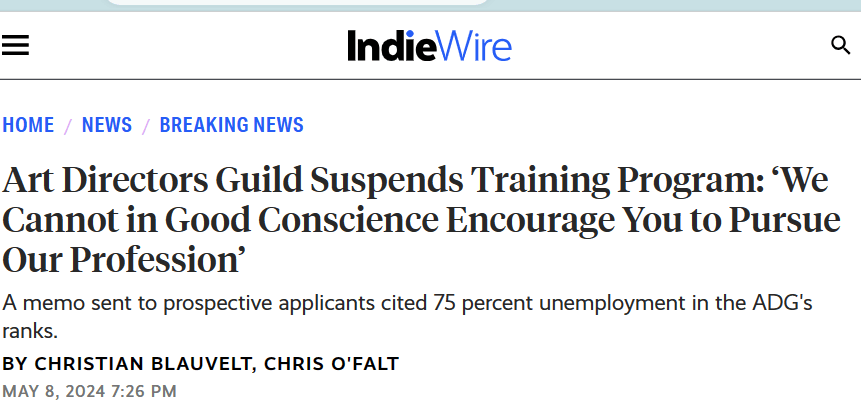
Recently, this article made the rounds:

Read more on IndieWire.

The Art Directors Guild, IATSE 800, is a union representing over 3,000 Art Directors, Illustrators, Scenic Artists, Graphic Artists and Set Designers in the film industry. In the article, we learn that the Art Directors Guild sent an email out announcing they will suspend their training program due to the 75% unemployment rate among its union member’s ranks. This decision is entirely reflective of the ripple effect of the SAG-AFTRA and WGA strikes last year.

“The industry has not resumed a full, pre-strikes level of productions, and it remains unclear if a return to that status quo is possible in a Hollywood gripped by ever-higher costs, ever-lower revenue, and increased production abroad.”

-IndieWire

This also brings to mind how many people I see announcing they are moving to Atlanta and looking for connections in the local film industry. That’s fine but, I hope everyone and anyone who is thinking about going into film for the first time or moving to continue their film career does a bit of research first. We clearly haven’t recovered from the two strikes last year (necessary though they were, they also hurt financially). I also question if we ever fully recovered from 2020, when the pandemic shuttered production across the world.

But with a pandemic that encouraged people to stay inside, there ended up being a lot of TV being consumed. The streaming companies — Netflix, Hulu, Disney+, Paramount, etc — got excited.

In 2021, Netflix boosted their budget almost 30%, putting $13.6 billion into content spending. This article from 2021 predicted their budget would balloon to $18 billion by 2025. An sharp upward trend seemed likely.

In 2023, Netflix content spending was around $17 billion. And before you point out “but 17 is so close to 18!” I need you to realize how vast a number 1 billion represents. If we were to use time as an example: 1 million seconds = 11 days . 1 billion seconds = 31 years.

Streamers are focusing on more original content in order to keep customers interested. There’s also a noted shift into reality style television, as shows like Netflix’s Nailed It cooking competition series are still popular and much cheaper to produce than narrative content. I’ve also talked before about these companies not greenlighting projects and just outright cancelling them to save a buck.

The streaming companies blew their budget on a dream, and now the bill has come due. They over estimated their profitability while fighting each other for market dominance. Instead of one triumphing over the others, we have a consumer base watered down and split amongst many services, if they even have streaming at all. Who misses cable now?

There is also likely a slow up because of this year’s negotiations between the AMPTP and IATSE, Teamsters and Hollywood Basic Crafts. The current 3 year contract expires July 31st. These unions are negotiating for proposals on Pension and & Health Plans, wage increases, residuals and concerns over artificial intelligence.

A strike doesn’t seem as likely this year. For one, the negotiations appear to be making some headway. Several unions such as Local 892 Costume Designers and Local 728 Lighting technicians have reached tentative deals.

But, the reality is that most folks can’t afford to have another strike. That’s concerning because of what’s on the docket but also…totally understandable. Those of us in this position are trying to recoup from last year. Some folks haven’t worked at all this year. That’s unheard of in most other professions.

The fact that the Art Directors Guild suspended their training program is genuinely sad to hear, but it seems to have been done with the very real concern about not putting more pressure on folks who need work right now. As hard as it is to see, not adding trainees in the guild for a time is a kindness. And surely, when things pick up, they can reassess and reopen their ranks to new people.

Will things ever go back or is this a hint at lasting change? The answer is far more complicated than we can surmise right now.

Sources:

Art Directors Guild Suspends Training Program: ‘We Cannot in Good Conscience Encourage You to Pursue Our Profession’

Netflix’s Amortized Content Spending to Rise 26% to $13.6 Billion in 2021, Analysts Project

Analysis: Content Spending Will Slow in 2023 as Streamers Pivot to Profitability; Disney, Netflix to Lead Way

IATSE Lays Out Contract Proposals, Including “Substantial” Health & Pension Plan Increases, As General Negotiations Begin

Georgia film industry sets another economic impact record

SAG-AFTRA just threw their Voice Actors under the A.I. bus

2023, the year of the strikes.

The combined writer’s and actors strikes, WGA and SAG-AFTRA respectively, won workers more residuals and consulted the affected workers on issues of A.I. usage.

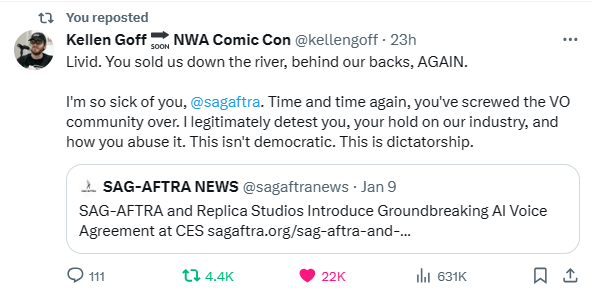
Then, yesterday, SAG-AFTRA dropped this bomb and acted like it was a good thing:

SAG-AFTRA and Replica Studios Introduce Groundbreaking AI Voice Agreement at CES

Replica Studios (Replica), an artificial intelligence (AI) voice technology company, and The Screen Actors Guild – American Federation of Television and Radio Artists (SAG-AFTRA) announced today the introduction of a groundbreaking AI voice agreement during an event at CES….

This new agreement paves the way for professional voice over artists to safely explore new employment opportunities for their digital voice replicas…

The agreement between the leading AI voice company and the world’s largest performers’ union will enable Replica to engage SAG-AFTRA members under a fair, ethical agreement to safely create and license a digital replica of their voice. Licensed voices can be used in video game development and other interactive media projects from pre-production to final release.

http://www.sagaftra.org

I like that they used the words “fair, ethical, safe” to describe how they were stabbing their membership in the back.

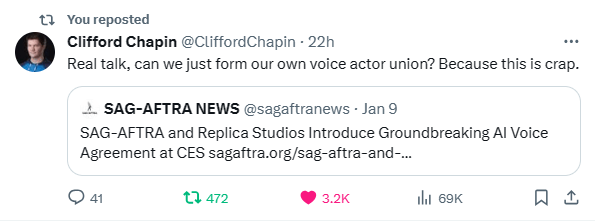
Why do I think that this went behind SAG-AFTRA membership’s backs? Simply because I found out about this because of how many voice over artists called it out, saying, “We didn’t vote OR hear about this. What the hell.” (paraphrasing)

Kellen Goff: Voice actor Five Night’s at Freddy’s (videogame), My Hero Academia, Attack on Titan, Black Clover

Elias Toufexis: Voice actor Starfield (videogame), Deus Ex: Mankind Divided (videogame), Blood of Zeus

Clifford Chapin: Voice actor in My Hero Academia, Attack on Titan, Spider-man 2 (videogame)

The technology already exists to sample someone’s voice and create a pretty convincing, if not soul-less replica of their voice. This isn’t only un-creative, it’s also completely un-ethical. This argument has also come up with the advent of deep fakes.

“Typically used maliciously or to spread false information.” Such as when someone made a deep fake of House Speaker Nancy Pelosi to act like she was impaired. Deep fakes can make it seem like anyone said anything, and that’s very damaging. And do I need to remind you how wrong it is?

Circling back to voice actors, what does this entail? Doesn’t the deal with Replica Studios just give voice actors the ability to sell a digital imprint of their voice? This could be interpreted as the actor’s choice.

This issue was also brought up by SAG-AFTRA membership last year, when it became clear that production companies wanted to pay background actors a one time fee to digitally scan them, and then use that image in perpetuity. That’s forever, babe. That’s multiple thousands of dollars that person will never be able to make. That’s a likeness of them out there that could be made to do anything.

“But, I can’t afford to pay an artist/actor/voice actor/graphic artist for their work! I have to use A.I.!”

What did you do before the days of this technology? Several options: 1. Save up the money or fundraise so you could do your project. 2. Take the time to learn the skills yourself. 3. Reach some kind of deal with the artist you need, like bartering services in kind or deferred payment.

“But Bridget, you say. You don’t work in voice over or animation or videogames.”

I know, anonymous person in my head, but here’s the thing. When you attack one artist, one creative profession like this, you attack us all. And I like videogames and animation and artwork and writing, so I’m going to support the people affected and continue to fight for them.

Hey it’s not all bleak. Recently Wacom (a well known drawing tablet manufacturer) had to apologize for accidentally using AI imagery in their ad campaigns. This cute dragon image falls apart when you really look at it. A tail sprouts from the wrong direction, fur mushes into scales and other weird artifacts are present.

I’m just including the above example, not all 4 that artists uncovered because this post is already bloated.

Artists immediately threw backlash at Wacom. Simply, a company for artists should support them. They had to apologize.

“We want to assure you that using AI generated images in these assets was not our intent.

Here is what happened: Wacom purchased these images through a third-party vendor where it was indicated that they were not AI generated. We vetted the images through a few popular online tools that also indicated that they were not AI generated. However, given the community’s feedback, we are now not sure how the images were created. For this reason, we immediately discontinued their use.”

Wacom’s statement

This $750 Million dollar company can’t claim poverty. They could have commissioned a legion of artists for their marketing campaign.

If you’re like me, you’re going to continue to fight against companies replacing artists with soulless computer interpretations. The next job they take could be yours.

Sources:

SAG-AFTRA and Replica Studios Introduce Groundbreaking AI Voice Agreement at CES

The deal that ended the writers strike: A look at what the 3-year agreement says

Movie extras worry they’ll be replaced by AI. Hollywood is already doing body scans

Doctored Nancy Pelosi video highlights threat of “deepfake” tech

Artists are making creative companies apologize for using AI

A response to community questions concerning Wacom using AI-generated art in US marketing assets

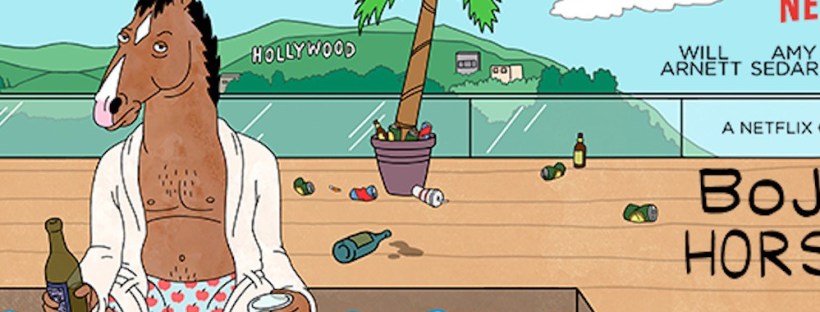
Media Parodies Media: The Bojack Horseman Story

Bojack Horseman is a Netflix Original that premiered in 2014. It’s a dark humor animation with anthropomorphic animal people navigating the shallow world of Hollywood. Somehow, I didn’t get around to this show for four years. Then I binged four seasons in an embarrassingly short time.

I was surprised by how emotionally invested I became with Bojack‘s cast of characters. Real human drama and timeless themes exist within the animated packaging featuring a talking horse.

At first, Bojack Horseman is a very nihilistic look at a ex-sitcom star’s messed up life. Booze, drugs, one night stands, many questionable decisions… it’s a fun ride to watch Bojack spiral out of control. But from the beginning the writers subtly tug at your heartstrings by fleshing out his character as well as those of the ones around him.

Bojack acts out and gets himself into trouble because, plain and simple, he’s not happy. There are the glimpses into his truly awful childhood and parents who never really wanted him, all of which ended up with Bojack becoming a washed up ex-sitcom star.

Portrayal of Media and Hollywoo(-d)

What the show does especially well is parodying the media and entertainment industries. From “A Ryan Seacrest Type”– a vapid Hollywood reporter who comments on whatever inane news has surfaced, to media-fueled squabbles over apple muffins and the insane things stars do for attention.

Amid the laughs are some really poignant digs at Hollywood in general (re-named Hollywoo after Bojack stole the D in a booze-addled stupor).

In the episode where Mr. Peanutbutter and Todd come up with the Oscar nominees, reading the whiteboard behind them was insightful and relevant. Last year’s #OscarsSoWhite scandal was put in sharp relief as they had written down “black people” and then crossed it out.

If you notice, the board also includes only female names in “Best Director” — a stark contrast to the reality. In 2018, Greta Gerwig became only the fifth female director to even be nominated for the Best Director Oscar for Lady Bird. So far the only female director to win has been Kathryn Bigelow in 2009 for The Hurt Locker.

oscar_noms.png

Bojack also parodies what happens to some child stars. With Sarah Lynn, you see the stark contrast between the innocent girl on the 90’s sitcom to the coked out mess she becomes later in life.

The Human Element

Part of the reason we care so much about these characters is because of their very real struggles:

Princess Carolyn — Cutthroat in the world of being an agent/manager, but almost always at the brink of failure. She also feels unfulfilled and wishes for a family, but is possibly past the point of no return.

Todd — discovering his sexuality. I think so far this is the only time I’ve seen a character in a show discover they are “Ace.”

Diane — Just…everything about Diane. Her issues with her family and her career struggles make her a relateable, anxiety-ridden character.

Season Five

Bojack Season 5 premiered recently. There were a couple of episodes that really stood out, like the one that centered around Diane’s exploration of her ancestral routes (for a Buzzfeed-like story she was writing) and an episode that centers around Bojack giving a speech at a funeral that doesn’t cut away and is simultaneously hilarious, dark and uncomfortable.

Season 5 wasn’t my favorite, but it still represents part of a quality piece of entertainment. If you haven’t tried this series yet, it’s about time.

RE: Hollywood Scandals. Should we separate artist from art?

The floodgates have opened to scandals about sexual abuse from high level people in Hollywood.

We shouldn’t be surprised at the numbers, right? The “Casting Couch” is a dirty joke for a reason. This ousting of abusive, harassing jerks has been long awaited.

But now with this news comes the moral dilemma — can we continue to consume content knowing someone who made the film is a creep? Series have been cancelled, movies have halted production, and companies no longer want to work with those who’ve been named, but what happens when the choice is left to us?

I’ve written before on a moral dilemma surrounding the creation of a film and the final product.

I’ve also had this internal crisis with an author I once admired — Orson Scott Card. I had already read and enjoyed several of the Ender’s Game books before I found out how much a bigot the author was. It was hard to fathom how he could promote empathy and understanding in his writing, but not in real life.

Prime examples of abuse fill the shadowy corners of Hollywood classics.

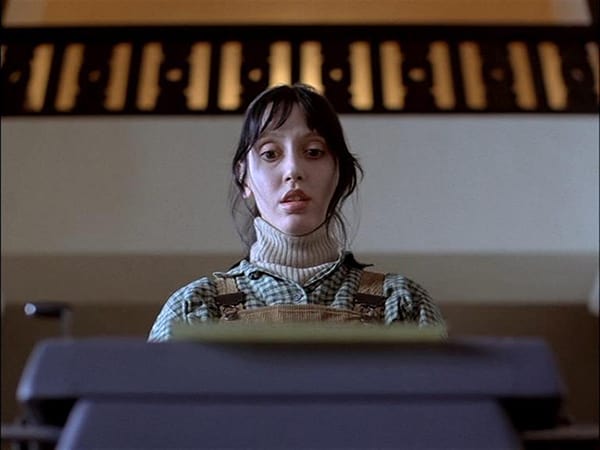
shelley duvall

Shelley Duvall was forced to do 127 takes during that baseball bat scene in Stanley Kubrick’s The Shining. Several documentaries, including one by Kubrick’s own daughter, showed Duvall intentionally bullied. Kubrick told crew members not to sympathize with her, and she skirted illness constantly due to the stress.

Duvall did not have many acting credits after her 13 month stint on The Shining, and is reportedly not in good mental health these days.

Tippi Hedren dealt with Alfred Hitchcock’s obsession and sexual abuse on The Birds and Marnie. She said he would suddenly grab her, put his hands on her and become “petulant” whenever she talked to another man. He even jumped on top of her and tried to kiss her in a limo. He tortured Hedren on set with live birds when he was supposed to use fake ones. She described the scene as brutal and relentless.

tippihedrenbirds_large

Hitchcock threatened to ruin Hedren’s career when she wouldn’t cave to his advances.

In an interview with Variety in 2016, she explained why she opened up about the abuse in her memoir:

I wanted to let women, especially young women, know never to allow that kind of approach and to be forceful in telling people you’re not interested in having that kind of a relationship. It’s not a bad thing to say no.

Full article here

This abuse doesn’t live solely in the past. Finally, women and men are taking on their abusers in order to create change in a problematic industry.

Then there’s us. The consumers. Articles like the one below are popping up everywhere, everyone wondering: What should we do now?


It’s all down to personal choice at this point. If Netflix didn’t cancel House of Cards, could you still watch it? Will movies from the Weinstein Company leave a bad taste in your conscience?

What to do

Yes, it’s problematic when things we like are made by people we don’t agree with on a fundamental level. There are several things we can do, though.

  1. Talk about it.

    Don’t internalize this struggle. We have numerous forms of social media in which to share an opinion. Tag the production company. You’d be surprised who is paying attention. Also, consider writing an opinion piece for your local newspaper on the subject. Local newspapers enjoy getting public input and people will be interested in reading those words, and maybe someone can be swayed.

  2. Don’t consume the art.*

    This one can be more difficult if you are already a fan of the work. Your spending power says something. If enough people don’t pay for a movie, the box office will reflect it and production companies will take note. They will not want to work with an actor or director that the public is no longer willing to support. They like predictable cash flow.

    * a necessary side note: for the love of all that is art, do not pirate a film. If you want to see it, you pay to see it. It’s as simple as that. Use Redbox instead of going to the theater, or watch it at a friends house. I don’t care. Just don’t pirate. Thousands of people’s livelihoods depend on box office receipts, mostly people who make significantly less money than the person you have an issue with. Don’t steal their work.

  3. Consume art by artists you DO believe in.

    Use your purchasing power to support indie films, films by women and LGBT filmmakers or other poorly represented minorities. Kickstart someone’s passion project. Get voices out into the light who need to be heard. Your $10 here will make a bigger difference than your $10 on a blockbuster summer tentpole.

Your opinion matters. Keep the discussion going. It’s the best way to turn things around so future generations don’t have these stories anymore.

Sources

Tippi Hedren on Why She Went Public About Being Sexually Abused

Tippi Hedren says Hitchcock sexually assaulted her – USA Today

Orson Scott Card: Mentor, Friend, Bigot

An Ethical Guide To Consuming Content Created By Awful People Like Orson Scott Card

He’s a Creep, but Wow, What an Artist!

The Real Horror of ‘The Shining’: The Story of Shelley Duvall