Stranger Things and the Movie Theater Experience

I was one of the lucky 1.1 million people who saw the Stranger Things finale at the movie theater New Years Eve. Screenings were sold out around the country to celebrate the culmination of 9 years of a popular Netflix show. This also got me thinking about the theater experience and what is needed to get butts in seats in a time when people morbidly declare the movie theater is dead.

I went with a group of friends to the historic Tara Theatre. The Tara is an Atlanta landmark, an arthouse theater featuring 4 screens, independent showings, and old school charm. The Tara was one of approximately 600 theaters that did this special Netflix screening over New Years. It was also the location of a scene between Lucas and Max near the end of the finale. The Tara even gifted free movie passes to the lucky two who sat in those seats. Thanks to my friend Charles who came up with the idea.
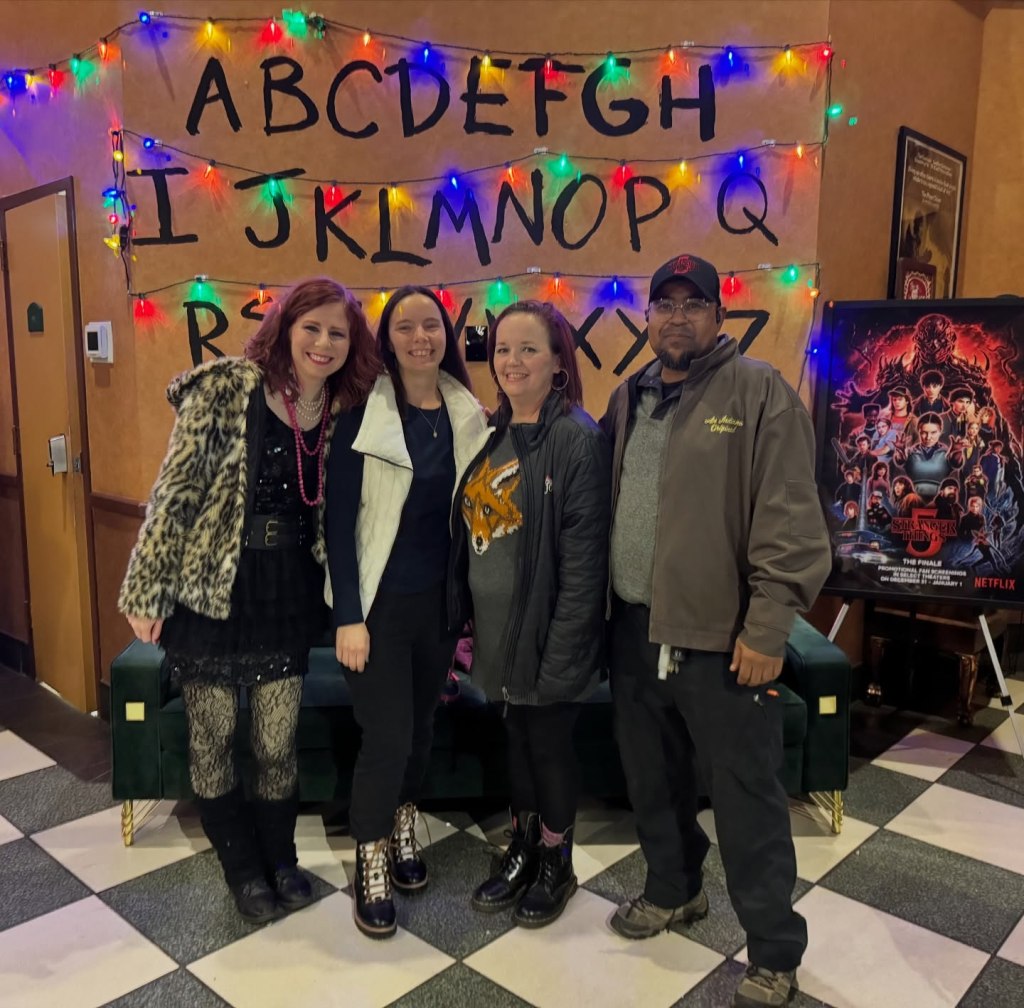
The showing I went to at the Tara Theatre was a whopping $7 for a ticket. Seven dollars!? In THIS economy? Considering many movie ticket prices in Atlanta average around $15-20 for a basic showing, that was a steal. Tickets sold out in advance of the screening date, and from what I heard, that was the case around the country. Folks wanted to see this in theaters with their fellow fans.

The two-day screening over New Years netted theaters $25-30 million in sales – though not necessarily in ticket sales. According to Deadline, the actor’s residuals for the Netflix show kept them from selling actual tickets, so they sold ticket vouchers. It’s a loophole.

Netflix and movie theaters did a similar collab in August 2025 when they rereleased K POP Demon Hunters to the tune of $19m, and got Netflix its first No 1 at the box office.

Streaming culture has changed the way we do TV. Many stories are tailored to the bingeable short seasons of streaming television. But the lines are becoming blurred as streamers like Netflix, Apple TV and HBO put out their streaming content in movie theaters. Partly to gain an audience, and also partly to take part in those award ceremonies.

But this culture has also contributed to less folks going to the movie theater. You can argue with me about this, but why should folks go see something in the theater if it’s going to be on their TV in a month or two?

Fall Guy, a movie I really enjoyed, barely got to get its legs up under itself before it was pulled from theaters and thrust onto the streamers. It was actually getting good reviews and word of mouth, but wasn’t given the chance it needed. Fall Guy was released May 3, 2024, made $180 million against its $125-150 million budget, and was pulled from theaters for “underperforming” its opening week. It was on the streaming service just 17 days after its release. When the film was uploaded to Peacock, it set a streaming record, becoming that platform’s biggest film debut.

Folks have been trying to predict the end of the movie theater experience for years.
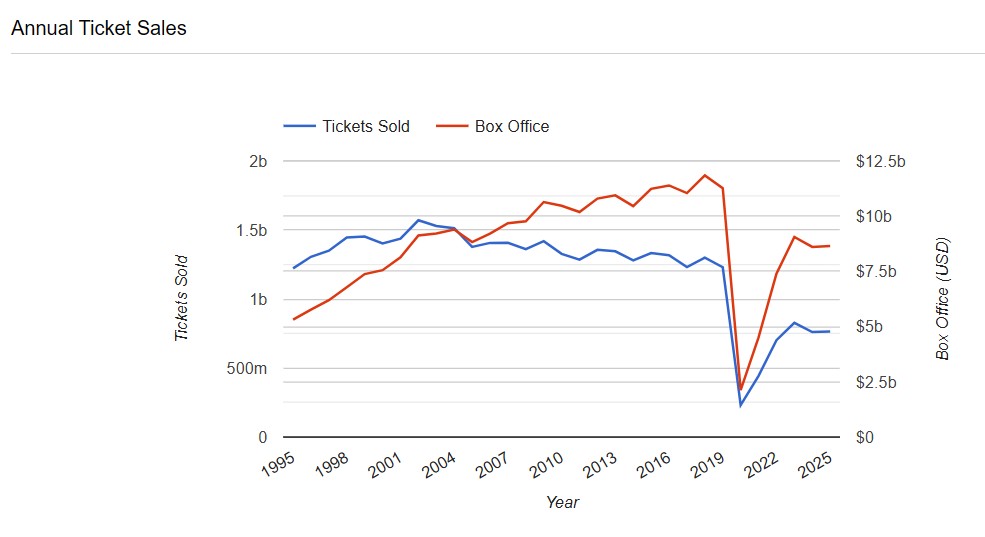
This graph from The Numbers (great resource for these stats) shows that sharp decline into 2020 (we all know what happened there) and then a slow climb back up to where things stand now, which is quite a bit below where the numbers were headed in 2019. And this can be scary to those who make movies and to those who cherish them.

Audiences do enjoy the experience of being in a movie theater. For the most part. I mean you could listen to some of my friends who critique how oppressively loud the sound is or how rude their fellow patrons are. But for the right screening, people will put butts in seats.

Where’s the incentive to do so when tickets are pricey and you only have to wait a month or two (or 17 days) and it’ll be out on any one of the streaming services you have?

Speaking of price, here’s the cost for two adults and 1 child to see the new Zootopia film:
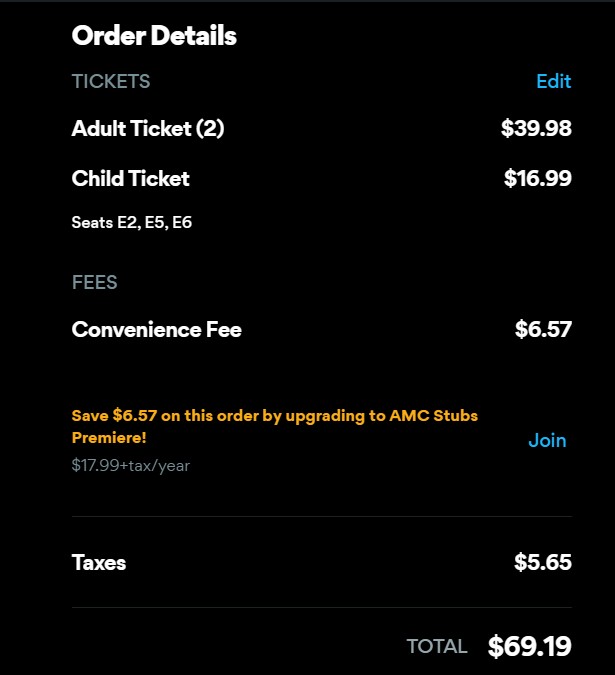
This is the cost for AMC Madison Yards for 6pm on 1/3/2026

Almost $70?! And a convenience fee for using the website. That’s just silly.

For a deal, you can sign up for AMC Stubs or Movie Pass or Regal Crown Club or just go on discounted Tuesdays… but the point still stands. Going to the movies can be expensive, especially for families.

In 2022 National Cinema Day was celebrated with a $3 movie ticket day, which was honored by numerous theater chains. People flocked to the movie theaters, seeing multiple movies in a day and finally watching movies they’d missed earlier in the year. It was a great promotion, and I’m sad that when I search for it now, I haven’t seen it done in years.

There’s a way to keep the movie theater business alive. I think we’re still searching for the correct recipe for success, but special exclusive screenings certainly don’t hurt.

Sources:

The Tara Theatre: https://www.taraatlanta.com/about–contact

The Numbers – Domestic Movie Theatrical Market Summary 1995 to 2025

https://www.the-numbers.com/market/

‘The Fall Guy’ is now streaming after just 17 days in theaters. Are summer movies in trouble?
https://www.fastcompany.com/91128501/the-fall-guy-streaming-after-j17-days-in-theaters-are-summer-movies-in-trouble

Lights, Camera Remake! A Podcast about Hollywood Unoriginality

Yet another person with a podcast. Oh my goodness. But let me explain.

One of the age-old complaints about movies and Hollywood in general is that there’s no originality left. We see endless remakes, reboots (slightly different), sequels, spinoffs and adaptations. Can’t they come up with anything new?

As I began to dig into this idea, I found some surprising things. Like the fact that Little Shop of Horrors -the musical comedy horror starring Rick Moranis and Ellen Greene? – was actually a remake of a low budget movie from 1960. Did you know that Martin Scorsese’s The Departed is based on a 2002 Hong Kong film Internal Affairs? 1998’s You’ve Got Mail is a remake of The Shop Around the Corner (1940). Ocean’s Eleven (2001) is a remake of Ocean’s Eleven (1960).
A remake of an old movie can bring a classic story to a new audience… and also sometimes make audiences really angry.

That passionate knee-jerk reaction is worth discussing.

I’d love to see more originality in the movie theater. The problem is — those movies have a harder time finding an audience.

Hollywood studios and executives are running a business, and they want to make money. And working with something that has established IP (like a Marvel movie, or a book adaptation, a remake) somewhat guarantees an audience will attend. At the end of the day, they just want to make money and make their shareholders happy. And they want to keep their jobs.

Anyway, my friend Erica Strout and I got talking, usually at work in between setups or at lunch. We met on a reality show TV show with myself working as the camera operator and Erica as my camera assistant. We became fast friends. And then we watched movies together. And had a lot of discussions about film in general.

Now we’re doing the Lights, Camera, Remake! Podcast.

This amazing artwork created by Taylor Rebyanski!

Is it always a bad thing to see a remake of a classic (or possibly unknown) movie? Our podcast looks to break it down and see if there’s merit to Hollywood shirking an original idea for a retelling.

On each episode we’ll look at a movie and its remake, or sometimes a movie and its sequel, to determine if Hollywood rehashed it for a reason or for a cash grab.

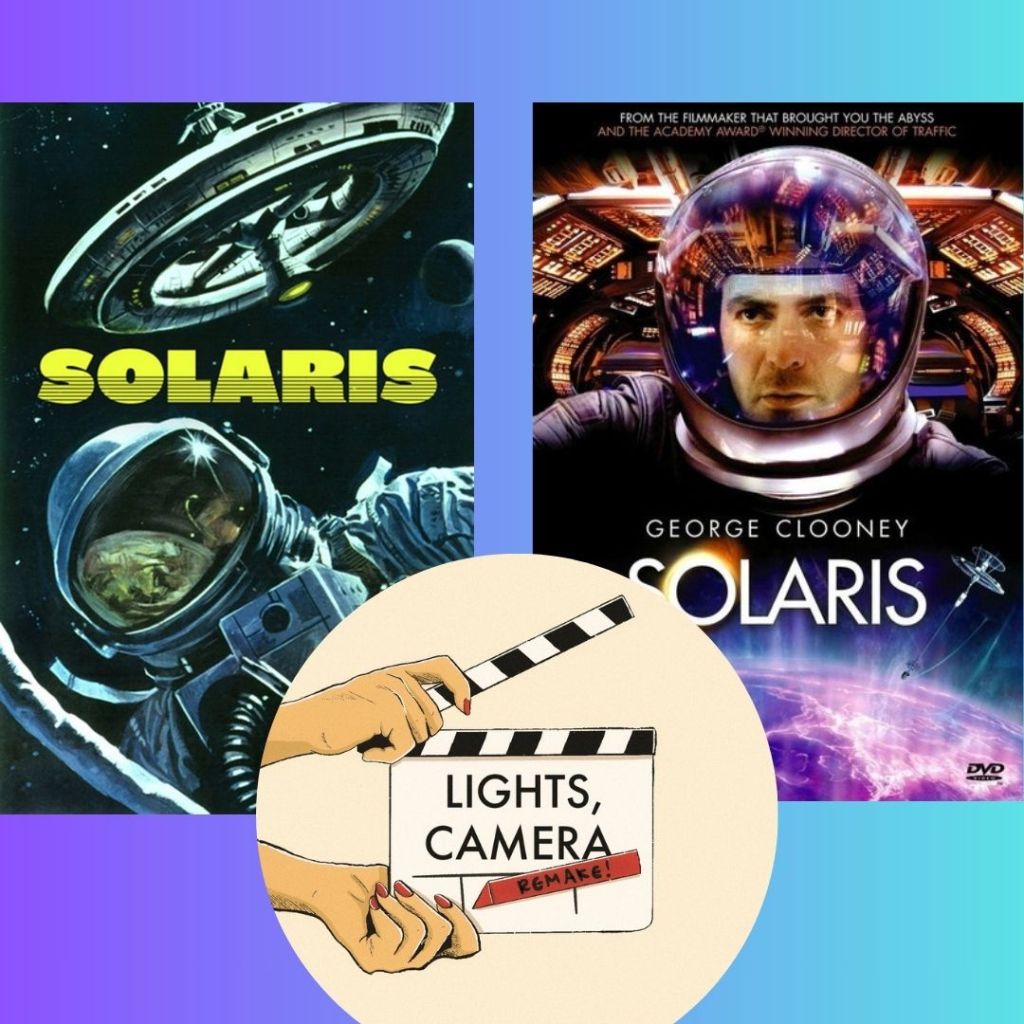
Episode 1 is about Solaris (1972) and Solaris (2002).

Solaris is an atmospheric Russian science fiction film based on a book. It was later remade in 2002 starring George Clooney.

You can listen to the episode on Spotify or right here:

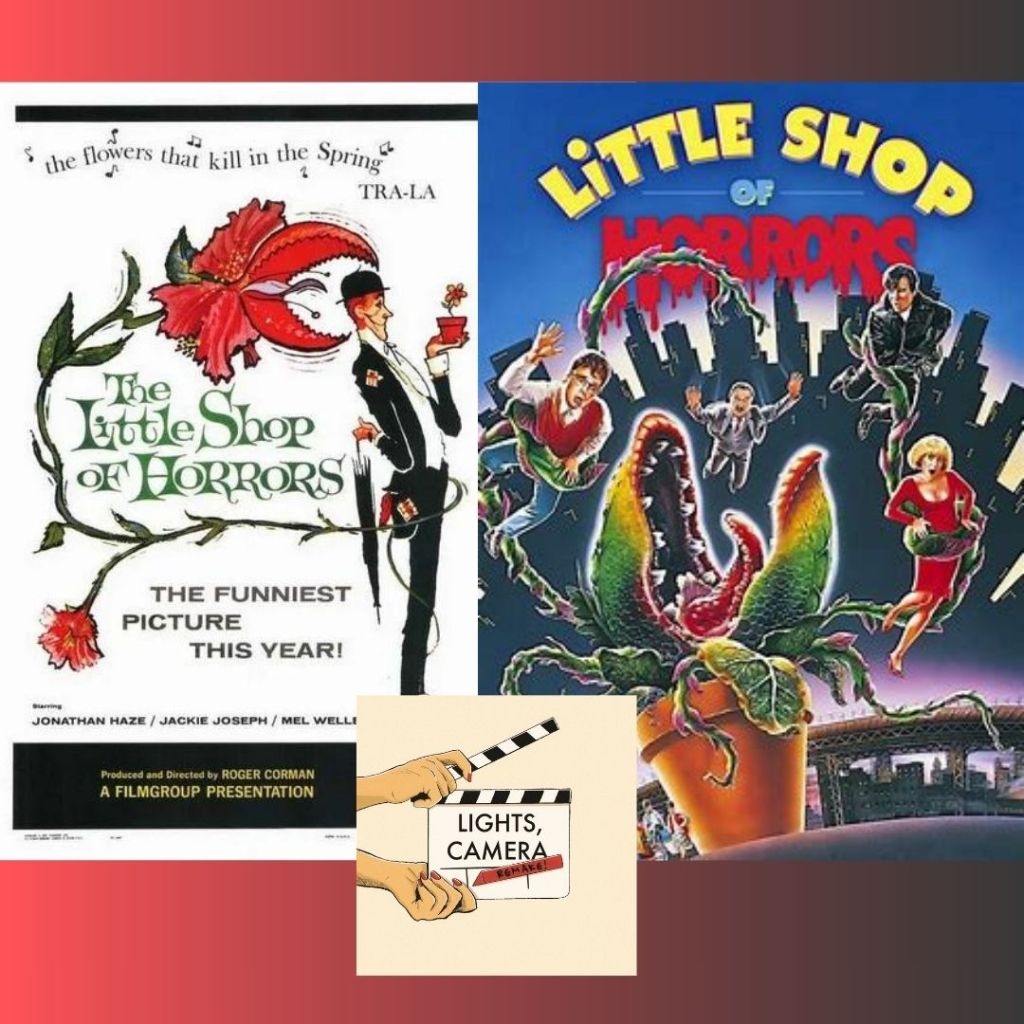
Episode 2 is Little Shop of Horrors (1960) and (1986).

Next up this week is Weekend at Bernie’s! The episode will be uploaded on Wednesday, Jan 22.

Follow us on Spotify, Instagram and Facebook!

https://www.instagram.com/lightscameraremakepodcast/

https://www.facebook.com/profile.php?id=61560111332548

We’ve also got an email you can submit ideas, comments or random concerns too. We understand you have those.

LightsCameraRemakePodcast@gmail.com

http://www.screenrant.com/movies-secretly-remakes-surprising/

theenemyofaverage.com/movies-that-are-remakes/

How to Avoid Film Job Scams – Take Nine

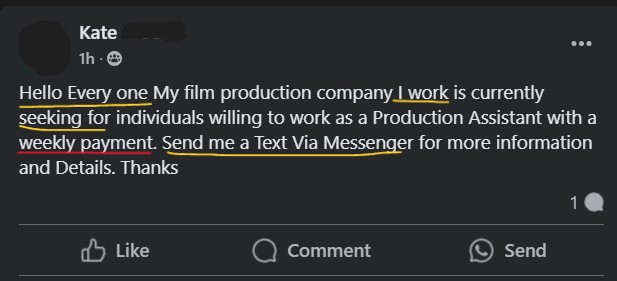
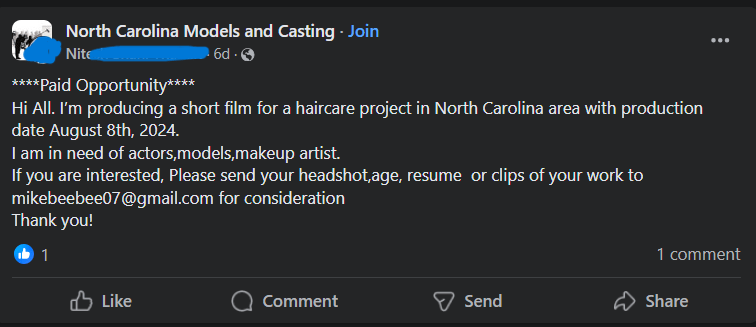
On the Facebook film page I help manage, we’ve been getting flooded with scam posts again. They sneak into the group answering the group rules and questions, pretending to be real people, and then they post something like this garbage:

In my annotations, I marked in yellow the bad English grammar usage. In Red we see where it is obviously a scam.

For some reason, the scammers love to advertise a weekly payment.

As I see them, or as they are reported by community members, these scammer posts are deleted and the user is banned. Sometimes I’ll post about it on the page immediately after and hopefully catch whoever might have already emailed the scammer. But since it is nearly impossible to keep up with scam posts (I just can’t be on the page 24/7 people. I know.) my main goal is to educate our populace so that we all know what signs to look for.

Check out this similar scam job posted on a Florida film group:

I’ve redacted some identifying info like the full email and the name of the poster for two reasons. 1: the name might belong to a real person who was hacked or is being impersonated. 2. I don’t want someone mistakenly reaching out to this person.

To be fair, there’s not a lot in this particular scam job post to clue you in, but we will note a few things here before we dig deeper:

In Yellow: Things that are suspicious. One, “we are seeking” has been in a lot of scam job posts, but it is not necessarily only used by scammers. Two, the weird email they are using. Doesn’t look professional at all. But a scammer might use gmail or something that looks like a company email and a real person may be using a weird email. So it’s not a huge red flag.

In Blue: Some misunderstanding of how professional film people work. We see them stating their budget – not necessary for a PA or a Set Medic to know. But some folks might post this (see how this gets difficult to tell a scam job post?). We also have them clarifying that Production Assistants are also “PAs.” It’s nitpicky but you shouldn’t see that kind of explanation of film terms in a job post.

In Purple: I redacted part of the name but I’ll tell you that a lot of these scammers have been using weird, backwards names. Like Smith John instead of John Smith. I think it’s because they’re stealing the real John Smith’s info but reversing the name. I’ve seen this before with Jeffery Cooper/Cooper Jeffery, though the jury is still out if there was a real guy being personified or if this was just a fella using every random name he could think of.

Luckily, we can see what happens after you contact this potential job. I’m redacting their info as well, but we will call them Lily.

Lily applied to the job after seeing it on the Florida film group. Lily then received texts very soon after applying:

In Yellow: Bad grammar.

In Blue: This scammer clearly posted this scam elsewhere, because they mistook Lily as being in Pennsylvania, instead of Georgia or Florida (the group where it was posted). The scammer then immediately disregards Lily asking if the production is in Pennsylvania because they are just responding with a copy/pasted response.

In Red: Here’s the hallmarks of the scam. They try to lure you in with a flexible working situation that “won’t interfere with your current job.” That’s not how productions work! At all! They also talk about the weekly rate here, which I’ve pointed out countless times is a scammer tactic.

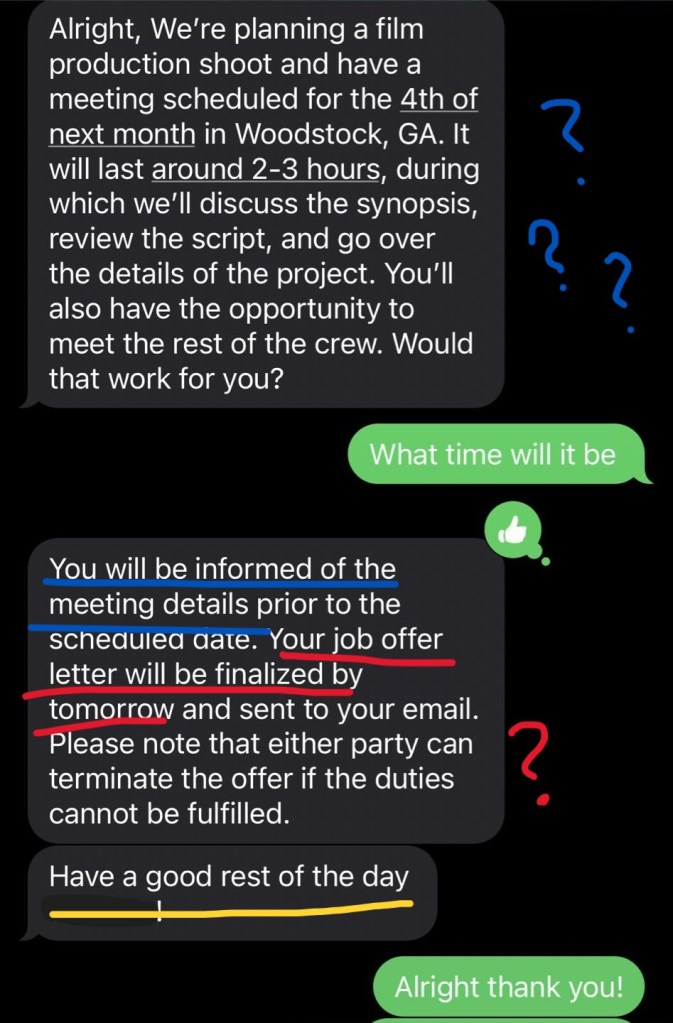
In Blue: Here we have a weird misunderstanding about how production works. This is continued in the next screenshot below. This person is telling a PA about a meeting and discussing the synopsis of the movie and all that. A PA would not need to be at that meeting or need that information. I don’t know why they think including this makes it seem more legit. It just makes it clear they don’t understand the film industry.

In Blue: Continuation of the weird meeting mumbo jumbo. “You’ll also have the opportunity to meet the crew!” Oh how cute. Typically that’s done on … day one of the production. Like everywhere else.

In Red: More scam red flags. A job offer letter is something a traditional job may give you, but productions are short term. If anything, you should be receiving a deal memo.

If you see a suspicious job post in a Facebook group, make sure you report it to the group admins. And if you start getting suspicious texts like these, check it against the red flags we’ve gone over here and in other installments of “How to Avoid Film Job Scams” in order to best arm yourself against a scam.

Sources:

Federal Trade Commission – Consumer Advice: How To Spot, Avoid, and Report Fake Check Scams

How to Avoid Film Job Scams – Take Eight

Since I began this blog series on scams in the film industry, I started a folder on my desktop whenever I found a questionable job so I could put it in the next entry on the topic.

But… I couldn’t keep up. There’s too many. And the same names will pop up again and again, but new ones do too. There’s no way to truly catalogue them, so the best I can do is show you some examples from time to time, list the red flags, and hope to keep you from being taken advantage of in the future.

Google the E-mail

Scammers are a bit lazy too sometimes. You’ll see the same e-mail used by many different screennames. I’ve been chasing this mikebeebee email since at least July this year, having saved examples of this scam from different Facebook groups. I’m mentioning it now because it’s one of the recent ones to plague a group I manage.

This scam email was also used in July, when I saved these screenshots:

As you can see, it’s multiple names and “jobs” but the same scam email. I did blank out most of the names that posted because it’s likely they are hacked accounts and innocent of this posting. Or they could be completely fake profiles. Either way the most important thing is understanding the details of the scam.

Most recently, this one was posted:

Now, what happens if you apply to the fake job? You’ll likely get this email, with the name changed depending on the fake person you’re communicating with. Email screenshot attached with annotations explained below:

In Yellow: Generally bad grammar and grasp of the English language, so it’s likely an overseas scammer.

In Blue: If you are a professional, you do not need an explanation of how to do your job. This is a complete misunderstanding of how professionals are hired for a film set.

In Green: They use “kindly” which a lot of scammers use for some reason, and they’re also asking for all this identifying information. Probably for identity theft or to further sell your information to future scammers.

In Red: This part is where you know it’s a scam. The guy claims he will pay you $2000 before the job. Never, ever accept payment before a job is done. This is a check phishing scam. They are just trying to steal Your money, which they will do once you see the second part of the red section: “This covers your $1500 upfront payment and the talents'(sic) fee ($4,000) payable to their manager.

This is how the check phishing scam works. They issue you a fake check, and before your bank notices the check is fraudulent, you’ll be issuing a check from your own balance to pay the “talent” who is actually the scammer. You are out at least $4,000 at the end of this scam.

According to the FTC, “Fake checks can take weeks to be discovered and untangled. By that time, the scammer has any money you sent, and you’re stuck paying the money back to the bank.”

Production Assistant Scams

This latest one was brought to my attention by a community member on a page I moderate. I’d had my suspicions about the job when it was posted, but I didn’t have enough info to delete and ban the poster until I received further info.

Here’s why this job looks suspicious at first glance and why I didn’t delete it immediately.

  • Casting call – for a production assistant? You only do casting calls for actors. Crew calls for film crew. I chalked this up to someone green in the industry.
  • Grammar “Seeking for.”
  • 3 days, 4 hours of work for a lump sum payment of $700. Again, I thought this was an inexperienced person who doesn’t know how day rates work. But 4 hours a day is suspicious even for a short film.
  • The poster turned off comments. Scammers do this because they know people will start calling them out in the comments. But insecure people also do this.

I couldn’t annotate this one because as soon as I started, I realized I was underlining the entire thing in red. Let’s look at those emails!

Red Flags:

  • Giant block of text. Most gigs will email at best like two sentences to see if you’re available.
  • Atrocious grammar and spelling. They don’t even spell their email correctly.
  • Wishing you good health. This is America, we don’t have that.
  • Apologizing. For some reason a lot of scam communications start with apologizing for being so busy. Maybe the intent is to make them look like they are in high demand or something.
  • Audition – for a production assistant? Oh no honey. But this detail confirms my suspicion that this was also a copy & pasted scam for an actor as well. Remember how the job post was a “Casting Call”? I bet this same scam showed up elsewhere targeting actors or models.
  • I laughed at “Camera Man.” The term is camera operator. But they probably meant Director of Photography.

Let’s look at the next email!

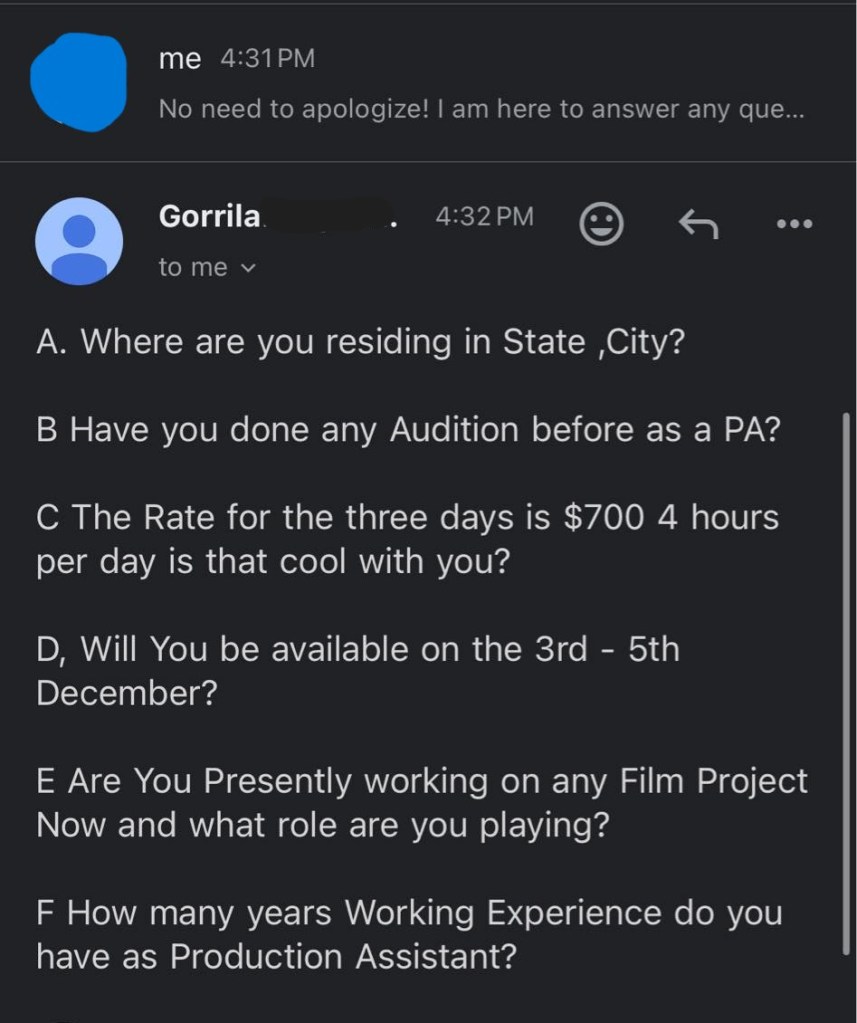
Red flags:

  • Scammer asking where you live (including the state).
  • Audition and PA again.
  • “Is that rate cool with you?” No. Because it’s fake.
  • Are you available the dates we already established?
  • Why are they asking what you’re currently working on? This is none of their business.
  • Asking for years of experience for an entry level position.

And here is the grand finale:

Red flags:

  • Advance payment – It’s a check phishing scam!
  • Also… sponsors? Wth.

Thanks to the community member who sent the screenshots and reached out with questions about identifying scams.

Sources:

Federal Trade Commission – Consumer Advice: How To Spot, Avoid, and Report Fake Check Scams

Does the Art Directors Guild Suspending their Training Program Signal a Massive Change?

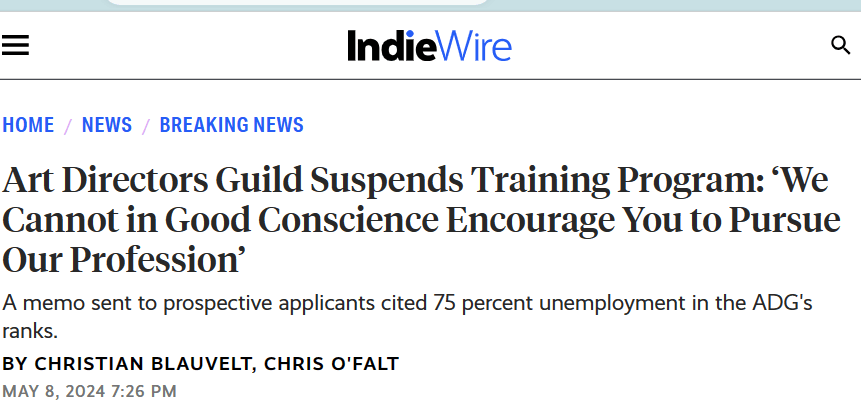
Recently, this article made the rounds:

Read more on IndieWire.

The Art Directors Guild, IATSE 800, is a union representing over 3,000 Art Directors, Illustrators, Scenic Artists, Graphic Artists and Set Designers in the film industry. In the article, we learn that the Art Directors Guild sent an email out announcing they will suspend their training program due to the 75% unemployment rate among its union member’s ranks. This decision is entirely reflective of the ripple effect of the SAG-AFTRA and WGA strikes last year.

“The industry has not resumed a full, pre-strikes level of productions, and it remains unclear if a return to that status quo is possible in a Hollywood gripped by ever-higher costs, ever-lower revenue, and increased production abroad.”

-IndieWire

This also brings to mind how many people I see announcing they are moving to Atlanta and looking for connections in the local film industry. That’s fine but, I hope everyone and anyone who is thinking about going into film for the first time or moving to continue their film career does a bit of research first. We clearly haven’t recovered from the two strikes last year (necessary though they were, they also hurt financially). I also question if we ever fully recovered from 2020, when the pandemic shuttered production across the world.

But with a pandemic that encouraged people to stay inside, there ended up being a lot of TV being consumed. The streaming companies — Netflix, Hulu, Disney+, Paramount, etc — got excited.

In 2021, Netflix boosted their budget almost 30%, putting $13.6 billion into content spending. This article from 2021 predicted their budget would balloon to $18 billion by 2025. An sharp upward trend seemed likely.

In 2023, Netflix content spending was around $17 billion. And before you point out “but 17 is so close to 18!” I need you to realize how vast a number 1 billion represents. If we were to use time as an example: 1 million seconds = 11 days . 1 billion seconds = 31 years.

Streamers are focusing on more original content in order to keep customers interested. There’s also a noted shift into reality style television, as shows like Netflix’s Nailed It cooking competition series are still popular and much cheaper to produce than narrative content. I’ve also talked before about these companies not greenlighting projects and just outright cancelling them to save a buck.

The streaming companies blew their budget on a dream, and now the bill has come due. They over estimated their profitability while fighting each other for market dominance. Instead of one triumphing over the others, we have a consumer base watered down and split amongst many services, if they even have streaming at all. Who misses cable now?

There is also likely a slow up because of this year’s negotiations between the AMPTP and IATSE, Teamsters and Hollywood Basic Crafts. The current 3 year contract expires July 31st. These unions are negotiating for proposals on Pension and & Health Plans, wage increases, residuals and concerns over artificial intelligence.

A strike doesn’t seem as likely this year. For one, the negotiations appear to be making some headway. Several unions such as Local 892 Costume Designers and Local 728 Lighting technicians have reached tentative deals.

But, the reality is that most folks can’t afford to have another strike. That’s concerning because of what’s on the docket but also…totally understandable. Those of us in this position are trying to recoup from last year. Some folks haven’t worked at all this year. That’s unheard of in most other professions.

The fact that the Art Directors Guild suspended their training program is genuinely sad to hear, but it seems to have been done with the very real concern about not putting more pressure on folks who need work right now. As hard as it is to see, not adding trainees in the guild for a time is a kindness. And surely, when things pick up, they can reassess and reopen their ranks to new people.

Will things ever go back or is this a hint at lasting change? The answer is far more complicated than we can surmise right now.

Sources:

Art Directors Guild Suspends Training Program: ‘We Cannot in Good Conscience Encourage You to Pursue Our Profession’

Netflix’s Amortized Content Spending to Rise 26% to $13.6 Billion in 2021, Analysts Project

Analysis: Content Spending Will Slow in 2023 as Streamers Pivot to Profitability; Disney, Netflix to Lead Way

IATSE Lays Out Contract Proposals, Including “Substantial” Health & Pension Plan Increases, As General Negotiations Begin

Georgia film industry sets another economic impact record

Steadicam 101: Why Use a Steadicam?

I had the honor of co-hosting a Steadicam workshop for the Women in Focus Summit alongside fellow operator Kurush Bakhtiari. The event run by Ladibug Studios and ColourCo Rentals had several informational panels on camera, lighting and directing with a focus on getting more women and non-binary folks into production.

Kurush with his Archer and Klassen vest, me with a Zephyr kit.

I didn’t expect all of our attendees to take up the mantle of Steadicam. Sure, maybe we inspired a person or two who was curious or knew nothing about the skill, but learning about Steadicam is not just for the people who will wear the vest.

Plenty of crew members interact with the Steadicam operator: The AC who builds the camera to go on the rig, the grip who takes the rig off the operator when they need a break, the other grip who acts as a spotter for safety. Widen your parameters also to the 1st AD who is trying to keep a schedule and time transitions between sticks and camera accordingly, and to the director and DP who will be asking the Steadicam operator to bring their vision to life.

Understanding the roles, responsibilities and limitations of other positions on set just makes you better at your own job.

This will be a 3 part series to go over the basics.

What is a Steadicam?

Pictured: The Arm, Sled, Docking Station and Vest of a M2 model Steadicam.

A Steadicam is a tool used to create fluid dynamic shots unlike any other camera movement apparatus. It consists of a vest worn by the operator connected to an articulating arm and a post that holds the camera and electronic components. The arm does the job of evening out the natural bounce of a body walking, smoothing out the shot. If you were to attempt the same with handheld, it couldn’t be as smooth. Even if I breathe with a camera on my shoulder, the movement translates to the image.

Examples

Popular Steadicam examples include the stairs run from Rocky, the hallway shot in The Shining, and the Copacabana scene in Goodfellas. If you haven’t seen those, by all means click the links and watch the clips. Since those are the most commonly used examples, I wanted to show some fresh ones. Kurush and I put together a video of examples of a handful of other movies that have inspired us.

What we can learn from these examples:

Point Break: The camera expertly follows a high energy scene in a police station, whipping between characters and moments to carry the scene forward. This is a more interesting take on the typical police station scene without being static and stoic. This clip gives a real sense of space in the station, from the character’s entrance to how he moves around the bullpen. This shot switches between framing the main two characters from behind, getting a wide shot of the entire place, and returning to frame the main characters from the front. There’s a nice variety of shots without ever needing to break away for coverage.

Snake Eyes: In this example, we see how perspective changes as the Steadicam moves around the scene. At one point, the Steadicam becomes the point of view for one character, the boxer. When we reveal who it is, the Steadicam backs up to include him physically in the scene.

Birdman: The movie is depicted as if it is a single camera following characters around for a continuous shot. Since that is the technique, shots are constructed by the camera moving closer or farther away from speaking characters, moving around the stage to reveal things and traveling between locations around the theater by following one character at a time.

Baby Driver: This is near the beginning of the film, introducing Baby and his connection to music in the film. This is a well choreographed and timed performance between the camera operator and actor. See how things are revealed as Baby walks how each element of the scene adds to the soundtrack (honking cars, a trumpet player on the street, pedestrians). Pay attention to the background on a second watch of the scene.

Last Night in Soho: In this thriller, Eloise is experiencing flashbacks to the 60s to a vivacious woman named Sandie and a connection to a series of murders. Eloise sees herself in Sandie’s perspective, sometimes in the mirror, and sometimes replacing her in the scene. This is another well choreographed number. In the video I included the behind the scenes clip showing the Steadicam operator. Note how Eloise waits for her turn to cut in to the dance, and how moments are revealed as the Steadicam travels around the main characters. You can also see a spotter helping the Steadicam out. There’s a lot of moving parts and nobody wants to have a camera run into them!

In Part 2, we’ll talk about the components of the Steadicam and why balance is so important.

Spider-man: Across the Spider-verse is Breaking its Artists

Spider-man: Across the Spider-verse is still doing gangbusters at the box office 3 weeks after its release. It’s a stunning display of cinematic art, and immediately blew away all high expectations that existed after Into the Spider-verse inspired us all to be our own hero. Too bad the artists who made the film truly had to suffer for that art.

The second Spider-verse movie did some really amazing things, including having the story grow darker and more mature as Miles himself grows into being his own hero. One very notable, and highly anticipated part of the film was how each universe would be rendered in its own unique art style. Gwen’s universe is awash in melty watercolor tones, Pavitr’s universe is Bollywood and boisterous, Miguel’s features some neon colors and sketchy lines.

It’s a beautiful movie. Really.

But 100 artists had to leave the project due to unfair working conditions.

Long hours and rough days are no strangers to those of us who work in film. A 12 hour day is standard for us. Many who work on bigger productions find themselves working way over that time, with a consolation of overtime and learning techniques on how to not fall asleep while driving home. Throw in the mix a Fraturday (day starts on Friday, ends on Saturday) that severely cuts into the weekend and then you do it all again on Monday. And these are actually better conditions than where it all originally started.

The artists on Spider-verse reportedly were hired on during the layout process, then had to wait months to get started, and then were shunted into immediate crunch time with 11 hour days 7 days a week. These conditions lasted for more than a year.

Some were afraid to leave, reticent to allow their work to go to the wayside if they weren’t there to see it through.

Fix it in Post!

Part of the issue was Phil Lord’s angle on editing material after a 3D render had already been produced. That’s pretty late in the pipeline for animation. That’s like an actor getting the director’s notes after you’ve already shot the scene. Those changes should take place during the storyboard stage, a handy pre visualization that filmmakers use to block out their entire movie before it is filmed or animated.

Animators allegedly had to go “back to the drawing board” five times, which had to be incredibly frustrating. After working so many hours on a scene, now you want it done a different way? Sure I don’t need to see my family any time soon.

One artist, pseudonym Stephen in this Vulture article, said:

For animated movies, the majority of the trial-and-error process happens during writing and storyboarding. Not with fully completed animation. Phil’s mentality was, This change makes for a better movie, so why aren’t we doing it? It’s obviously been very expensive having to redo the same shot several times over and have every department touch it so many times. The changes in the writing would go through storyboarding. Then it gets to layout, then animation, then final layout, which is adjusting cameras and placements of things in the environment. Then there’s cloth and hair effects, which have to repeatedly be redone anytime there’s an animation change. The effects department also passes over the characters with ink lines and does all the crazy stuff like explosions, smoke, and water. And they work closely with lighting and compositing on all the color and visual treatments in this movie. Every pass is plugged into editing. Smaller changes tend to start with animation, and big story changes can involve more departments like visual development, modeling, rigging, and texture painting. These are a lot of artists affected by one change. Imagine an endless stream of them.

Of course Sony execs rushed to backpedal on these claims. Amy Pascal, for one, didn’t exactly help things with this statement:

“One of the things about animation that makes it such a wonderful thing to work on is that you get to keep going until the story is right,” adds Pascal. “If the story isn’t right, you have to keep going until it is.” To the workers who felt demoralized by having to revise final renders five times in a row, the Spider-Verse producer says, “I guess, Welcome to making a movie.”

Amy Pascal, from the Vulture article.

A Lesson We Seem to Keep Learning

I don’t think the guy on the left would have gotten a sequel

Back in 2019 I did a post on the Sonic live action movie that dropped a trailer so jaw droppingly terrible that they literally had to rework the Sonic CGI in record time. I ended up watching both Sonic movies later on and they were both delightful family romps — and the correct choice was made to fix the Sonic character to be more like the source material.

My blog focused on the inherent problem with wanting to fix something fast. CGI, animation, and any kind of VFX takes an astonishing amount of hard work and time. It’s not just hitting a button that says render and walking away to watch a season of Black Mirror.

Crunch has been a negative word circulating through VFX houses and video game companies for some time now. I learned a lot about the term when it came to the videogame industry, actually, in Jason Schreier’s nonfiction book Blood, Sweat and Pixels. It’s a pretty insightful read. Animators, VFX artists, and video game designers are pushed into crunch mode to meet imminent and obscenely short deadlines and fix the inevitable problems that comes with that rushed work. It leads to an unhealthy work environment and depressed, overworked artists. Who wants that?

Across the Spider-verse came to a pulse pounding close. M friends and I sat at the edge of our seats in shock when we saw that the next installment would be in theaters March 29, 2024. We’d just been ripped in two by a cliffhanger, and before we could wonder how long it would take a sequel to come out, we were delivered an unfathomable promise.

According to additional reports coming out now, that’s not likely. And you know what?

That’s. Okay.

If we can give these hard working artists some breathing room and some better conditions, I can wait longer to see the conclusion of Miles Morales’s story.

I’d like to imagine an alternate universe in which we respect our artists, give them reasonable time and work conditions, and continue to appreciate their work.

If that means I don’t get Spider-verse 3 next March, I humbly accept that.

Sources:

Damning Across the Spider-Verse Report Reveals 100 Artists Quit Amid Brutal Working Conditions

Spider-Verse Artists Say Working on the Sequel Was ‘Death by a Thousand Paper Cuts’

The Problem with Sonic’s “Fix it Fast”

“Blood Sweat and Pixels: The Triumphant, Turbulent Stories Behind How Video Games Are Made” by Jason Schreier

Screenwriting Basics #3: Character

Unless you’re writing the type of artistic film where you only show time lapses of moss growing or something, you’re likely going to need characters to populate your script. They may be a hodgepodge group of high schoolers or even anthropomorphic cars.

The most important of which is your main character. And they should do more than just go through the motions.

Your main character needs to be interesting. Infuse them with details, quirks, dialogue that makes the reader, and eventually audience, enjoy going on this ride with them.

How do you do this? Start thinking details. Are they funny? Smart in a really unique way? Do they see the world in a way others do not? Do they have a personal struggle and you can’t help but root for them?

Do they have a general disdain for humanity but also the propensity for curing everyone’s ills?

Lookin’ at you, Doctor House.

You want to avoid stereotypes in your main character. Instead of having a genius doctor, you have a genius doctor who lacks a bedside manner, has a physical disability which leads him to a dependency on narcotics.

So let’s talk round vs flat characters.

“A round character is deep and layered character in a story. Round characters are interesting to audiences because they feel like real people; audiences often feel invested in these characters’ goals, successes, failures, strengths, and weaknesses.”


https://www.masterclass.com/articles/round-vs-flat-characters-in-fiction

Round characters are more interesting and make your reader and audience more invested in the story.

“A flat character is a two-dimensional character lacking depth or a real personality. Usually, flat characters have just one or two perfunctory traits. Often considered “stock characters,” flat characters can often be summarized in one word (like “bully” or “love interest”) and never digress from or transcend their role.”

https://www.masterclass.com/articles/round-vs-flat-characters-in-fiction

A flat character lacks the great detail that makes a compelling character. They fall into stereotypes — the distracted professor, the overworked single mom, the ditsy cheerleader… we’ve seen these time and again. It’s fine if they populate the rest of your world a bit, but for the characters we follow? We want more.

How to write a round character:

  • Character Traits. What are their character traits, both good and bad? What is the flaw your main character possesses that might cause them grief later in the story?
  • Details. What are their likes/dislikes? What is their appearance? What sports do they play? Where do they work? You might not use all of these, but it will help you make more informed decisions on how your character will act.
  • Believability. Your main character has believable reactions to events based on their character traits. A generally mellow person won’t just blow up at a minor inconvenience. It wouldn’t fit their character. Don’t lose your reader, and later your audience, by making your character behave strangely.
  • Conflict. Give them an internal and external conflict. The main conflict may be the fate of the world ending, but the internal conflict may be a father regaining the love of his estranged daughter.
  • Dialogue. Your character has a voice, and it should be a distinct voice. If you cover up the names of all the characters in your script and read the dialogue, you should be able to tell who is speaking. Don’t let everyone sound the same.

Building a really interesting main character is one part of writing that great first script.

Sources:

https://blog.reedsy.com/round-character/

https://www.indiewire.com/2013/11/screenwriting-101-5-tips-for-writing-better-characters-into-your-screenplay-33156/

https://www.masterclass.com/articles/round-vs-flat-characters-in-fiction

Screenwriting Basics #2: The Format

A screenplay is a blueprint that not only tells the story, but contains the basic information needed to make the actual movie. Unlike the men of Mulan, it should not be as mysterious as the dark side of the moon.

Screenwriting requires using a tried and true format that is immediately easy to read, well organized, and follows some basic rules. If you’re writing your first or even your hundredth script and want to look professional, this is the way to do it. That’s why this Screenwriting Basics is all about format. 

Scene Heading/Slug Line – contains pertinent practical information on when and where the scene takes place. Also called a slug line. (Ex: INT. BEDROOM – DAY would be “Interior bedroom in the day” or EXT. HOUSE – NIGHT “Exterior House at night.”)

Action lines – Describes what is happening in the scene, written in present tense.

Dialogue – centered under the character name of who is speaking out loud.

Parenthetical – a description of how the line is spoken. Use sparingly.

Let’s look at a snippet from Stranger Than Fiction:

In the above example you see where I marked basic elements of screenplay format — the character names, dialogue, scene description and even a parenthetical.

Now let’s look at a portion of a scene and its script. Spoilers ahead if you haven’t seen this movie from 2006. This is the moment that Harold, our main character, finally calls the author who has been narrating his life:

Now let’s look at this scene:

The script had to make it clear what was happening in this scene, and that includes what Kay is typing versus what is actually happening in the scene. Kay’s dialogue “Don’t answer that!” is in italics because the normally pretty chill author is now feeling very tense.

I might have thrown you off with this slug line of the scene (INT. GARMENT LOFT – CONTINUOUS). It says “Continuous” instead of “night or day” because it’s coming right after a scene of Harold dialing the phone, so they are right up against each other time-wise. For now, keep it simple at Day or Night so your Assistant Director can schedule things easier.

Note that the writer, Zach Helm, doesn’t feel the need to describe the slow camera dolly in to Kay as this climactic moment approaches. He lets the words tell the story and trusts the director and cinematographer to put their creative touch on later. You too don’t want to be held accountable for “directing from the page,” but perhaps that’s a lesson for another day.

It’s a lot of work putting together a film production, and you need a clear blueprint so every crew member knows what to bring to the table.

Want further reading on the subject?

Check out the Hollywood Standard Vol 2, the definitive formatting guide for screenwriters.

You can also read a more detailed overview of format over at Screencraft.

Fear Street and How to Elevate your Horror Film

This post is going to be VERY spoilery for Fear Street 1994, Fear Street 1978 and Fear Street 1666 on Netflix. I recommend you watch them first. There’s some great surprises in this story you’re going to want to experience firsthand.

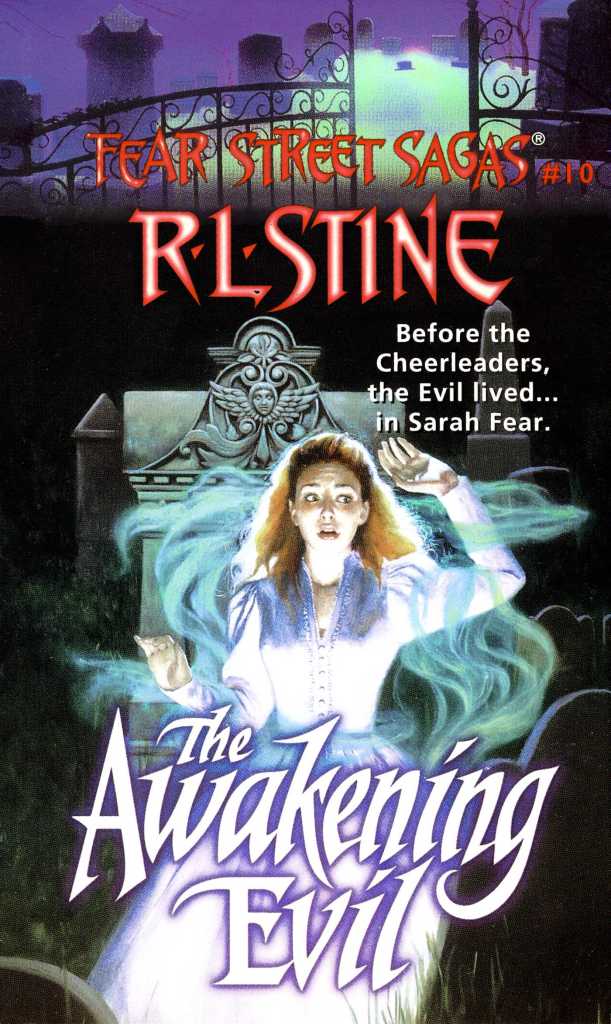
I read some of these Fear Street books as a kid. Each one began with a yearbook. Each one crossed out these pictures as the teenagers were killed off. The story that stuck out the most though was woven throughout the Fear Street and Fear Street Cheerleaders books: Sarah Fear and The Evil.

Sarah Fear was like “I woke up like this.”

The movies are loosely based on these. In this case that’s a good thing — the movies elaborate and elevate the campy horror I loved as a kid to something I really enjoy as an adult. Not only is it good horror, it’s smart.

There are many themes touched upon in the Fear Street movie series. I noted:

  • Racism/Classism (Shadyside vs Sunnydale. Even the names show a clear distinction in their fortunes, but Sunnydale’s good luck is at the expense of Shadyside’s sacrifice)
  • The Societal Harm of Misogyny (Literal witch hunts. Women who spurned the advances of men are accused of witchcraft – sentenced to death for the mere act of denying a man.)
  • Homophobia (The plot begins in 1666 with Sarah and Hannah accused of witchcraft since they love each other.)
  • Legacy and The Choice to Bear it or Break it (The Goode Family continuing their “traditions” to ensure their good fortune at the expense of others).
  • Reversal of Expectations (Goode = Evil. Fier/Fear = Innocence. Sunnydale is full of dark secrets, while Shadyside is innocent.)

I find that good horror, the stuff I want to watch again and again, isn’t just full of cheap scares. Good horror is about something.

My favorite horror movies are in the realm of It Follows, A Quiet Place.

Fear Street decided to be more than just a trio of slasher flicks. It’s clear depiction of classism separates and destroys people. Because one man, Solomon Goode, decided he wanted power over others, he doomed an entire town for generations. “The sun will shine on us yet,” he says, prophesying not that his crops will grow, but that he will be among the chosen few, at the expense of whoever is sacrificed.

Shadyside is plagued with gruesome murder and people being trapped in the town due to financial reasons. “Nobody ever leaves Shadyside” is a poignant line spoken from despondency. Sunnydale is the cookie-cutter perfect town. As long as each generation of Goode sacrifices someone to the evil forces that Solomon summoned, they will remain prosperous and carefree. Who cares if some teenagers die? Or a church full of children? Power over all becomes the ultimate evil here. The pulsating blob of malevolence in the caves is just a personification of that.

Forcing the Shadysiders to kill each other? That’s the whole dog eat dog mentality that plagues the working world. Step on someone to get ahead, that’s what the corporate bigwigs do right?

Nothing like someone over analyzing horror movies to ruin the mood, amiright guys?

But our Shadysiders make the ultimate decision to fight this. Our main characters band together to take down the evil. They fight against expectations and they honor the memory and wishes of Sarah Fier. The truth sets them free, and follows Goode to the end of his days.

When Deena and Sam emerge from the evil caves at the end of the third movie, they emerge in Sheriff Goode’s house. It’s beautiful, perfect, and full of mounted and taxidermied goats. Goats, of course, being a symbol of the Devil. The girls go out to the street, bloody and bedraggled. A neighbor spies them as he’s backing his car up, which causes him to be flattened by a passing truck. Sunnydale’s good luck is over and that is due to the actions of the Shadysiders.

If you are writing horror, you’d do well to take a page from Fear Street‘s book-to-movie adaptation. Making your movie about something other than just an axe wielding serial killer will capture your audience’s imagination, bring to light societal problems in the real world… and possibly lead to a few sequels. Anyone can write about some murderer picking off teenagers, but to make that story more than scares elevates your writing to the next level.

It’s been many years since I read the books, but I believe The Evil was originally Sarah Fear’s revenge personified. I distinctly remember her dying on her passage to America, cursing her sister or somebody for making her go on this journey. The movies decided to go deeper, and the revelation of the real evil was a great twist that made for excellent commentary on classism, misogyny and more.

I’d totally watch more of these, Netflix. Please continue giving Leigh Janiak the chance to direct them.