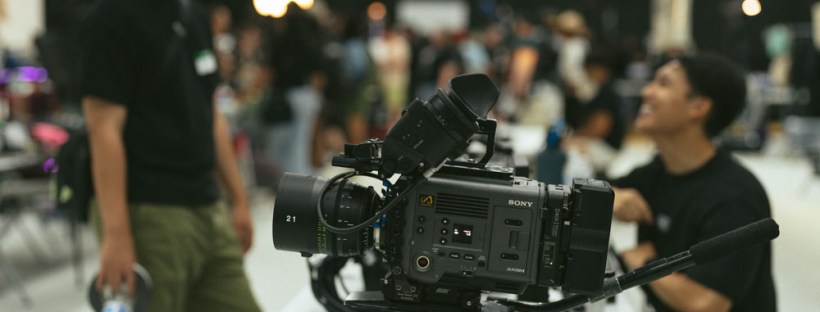
The Atlanta Film Yard Sale – Year 2!

Last year, a group of three camera department women got together to plan a simple yard sale — that ballooned into the event of the year. Those women were Erin Zellers, Tina Somphone and myself. And we had to go bigger and better this year.

I wrote about the first one here: https://bridgetlamonica.com/2024/09/11/the-atlanta-film-yard-sale-and-building-a-film-community/

Being a filmmaker doesn’t mean you are an artist on an island, creating alone. Film production is the ultimate group project. (sorry kids in high school, you still have to get along with other people!) Just as you would make a film with a group of dedicated people, the yard sale event comes together thanks to a wide network of people, from the three organizers, to the volunteers, to the sponsors, to the vendors and the attendees.

There was a lot of well-intentioned pressure from Year 1 to keep going. We didn’t even finish having the event last year before people were asking us when we would do it again. “Twice a year?” some people suggested. We all turned pale. “Once a year is fine” we assured them.

As 2025 dawned, we got to work.

Looking at what we got right and what needed work last year, we started figuring things out. One biggie was that we needed more space. We absolutely packed 24ATL last year, the LED Volume Studio in Doraville GA. It was a great space (and that wall is super cool, you should really check it out) but we ended up shortchanging people on space and didnt’ want to do that again.

Plus the need was simply greater this year. I know I haven’t discussed it on the blog much but I have talked endlessly about this to folks in person. The film industry is not in a great place right now. People are making the decision to either transition out of the industry entirely, or are holding on with their fingertips and hoping things will pick up work-wise. For this reason, there’s a number of people who just need to make some money or want to transition their business to something else. We had plenty of people who wanted to sell at the event.

Our sponsors this year made it possible to get any further. You can’t host an event without money to organize it.

Tier 2 Sponsors

You can see Local 600’s writeup about the event here.

Tier 1

Yes, we had a lot of sponsors! They donated money, prizes for the drawing, and more. We also had a surprise bonus drawing prize from Panavision! Super awesome.

PC&E (Production Consultants & Equipment) became our venue for the event. Not only do they rent out a lot of film gear in the local film industry here, they also have an enormous sound stage that we would end up filling. And then some.

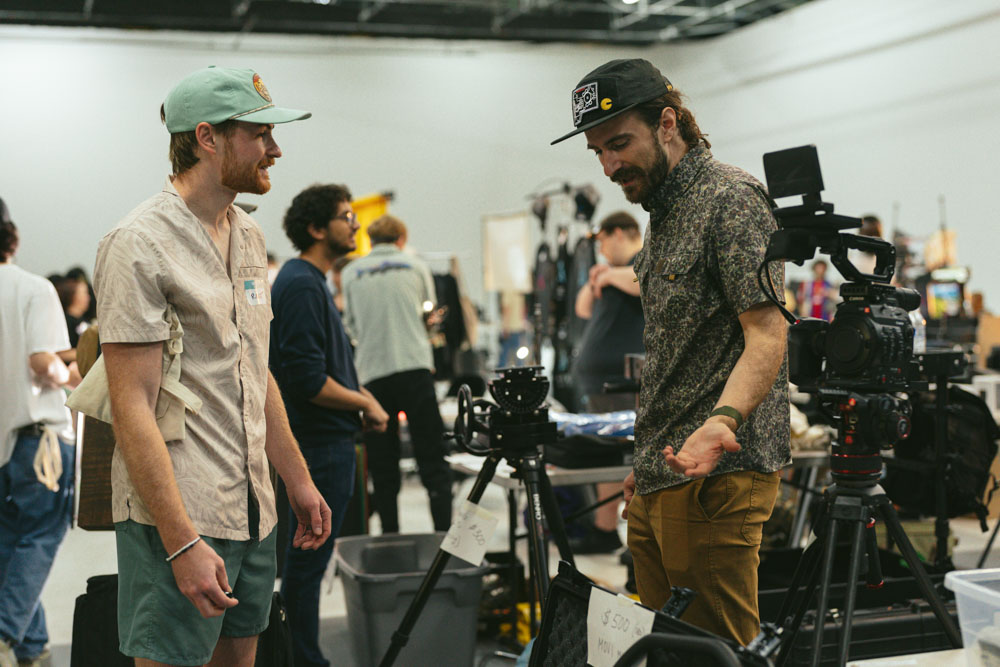
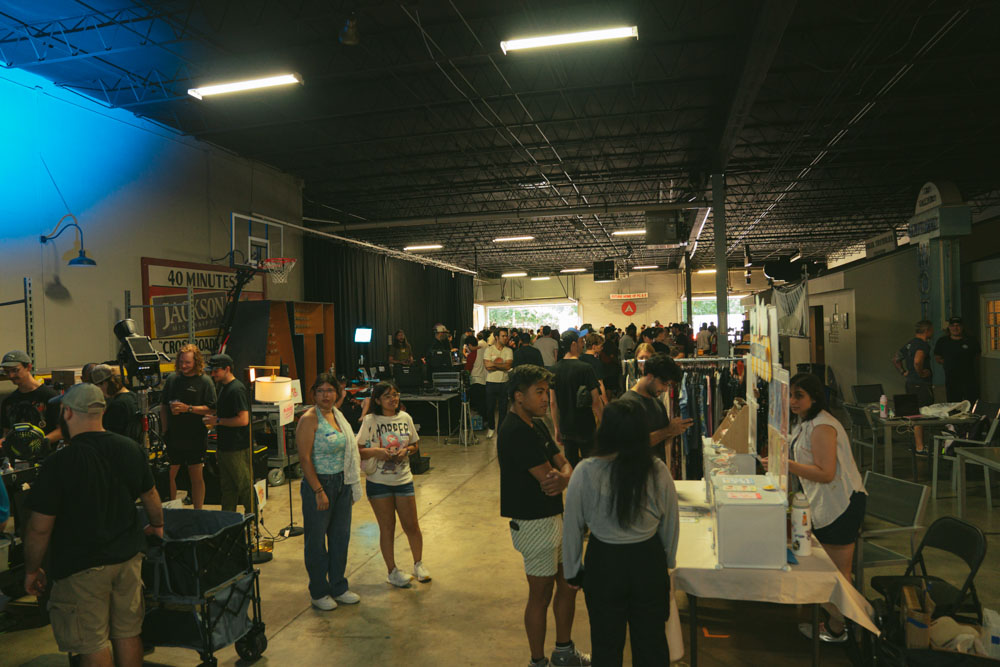
We filled every available space, from the entirety of Stage 1’s 9400 sq ft to the staging area leading to it and the outside. We had people everywhere! Plus food trucks. Plus activities like a scavenger hunt.

This year we were able to raise money for a cause that’s near and dear to a lot of members of the film industry, the Sarah Jones Film Foundation. The foundation honors the memory of 27 year old camera assistant Sarah Jones, who tragically lost her life in February 2014 due to an accident on the set of Midnight Rider. The foundation provides education and awareness, film safety grants, and even a wonderful film internship program. You can learn more about the foundation here.
Thanks to our donated items, our drawing prizes, our vendors and sponsors, we were able to raise $2500 for the foundation.

We also held demonstrations this year! As is typicaly with the film production life, we had a couple cancellations that had to be filled, and everyone who did a demonstration did an amazing job.

The demonstrations included an excellent “how to film stunts” demo with Good Slate Pictures. They also have a YouTube channel so you should definitely check out their stuff! Their YouTube is called Behind the Stunts.

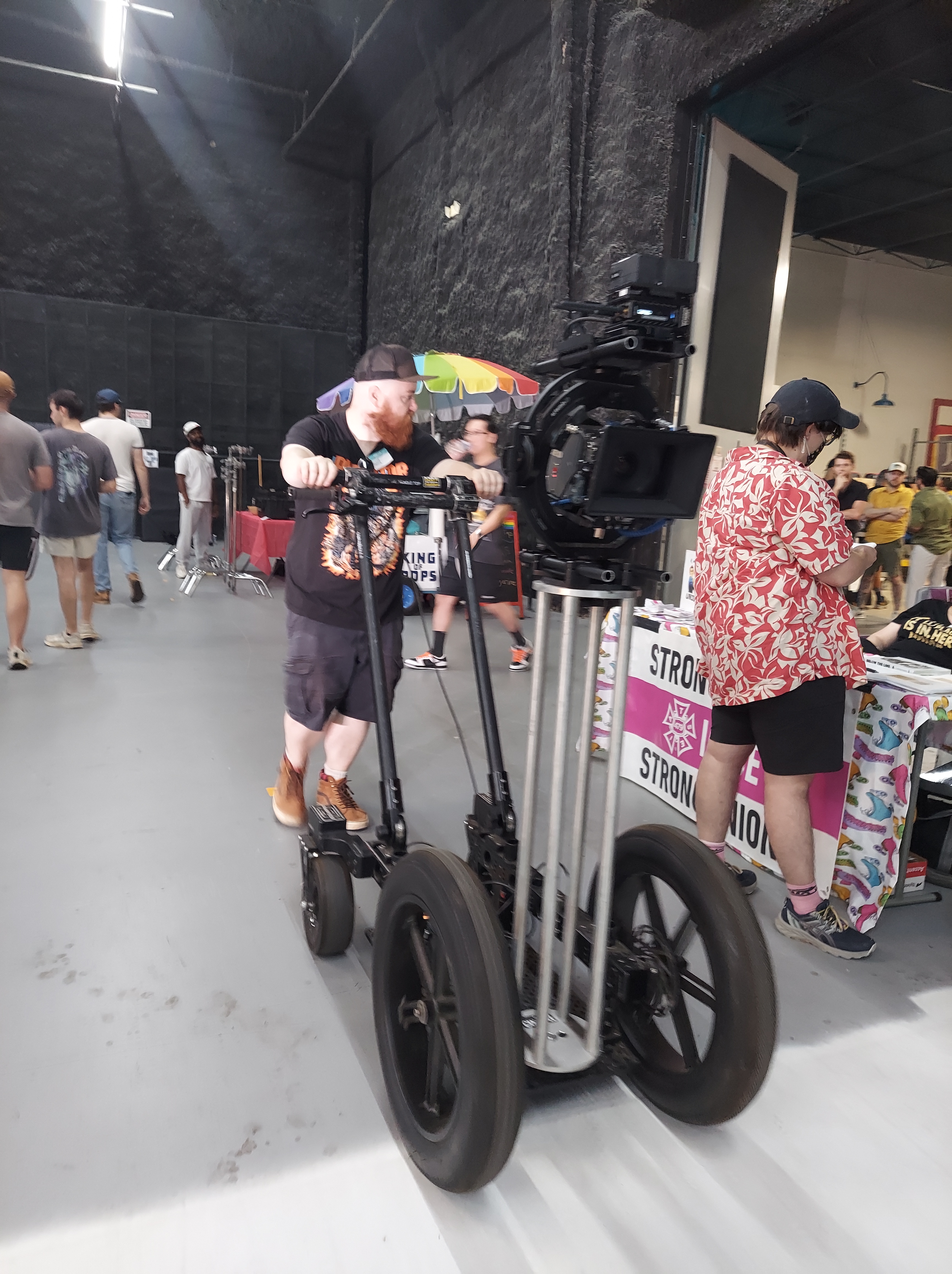
Chris Roe, ARRI Certified TRINITY Operator, Cinematographer and Steadicam Operator, brought his cool rickshaw with remote head! Folks got to try to remote head for themselves as the rickshaw roamed the space.
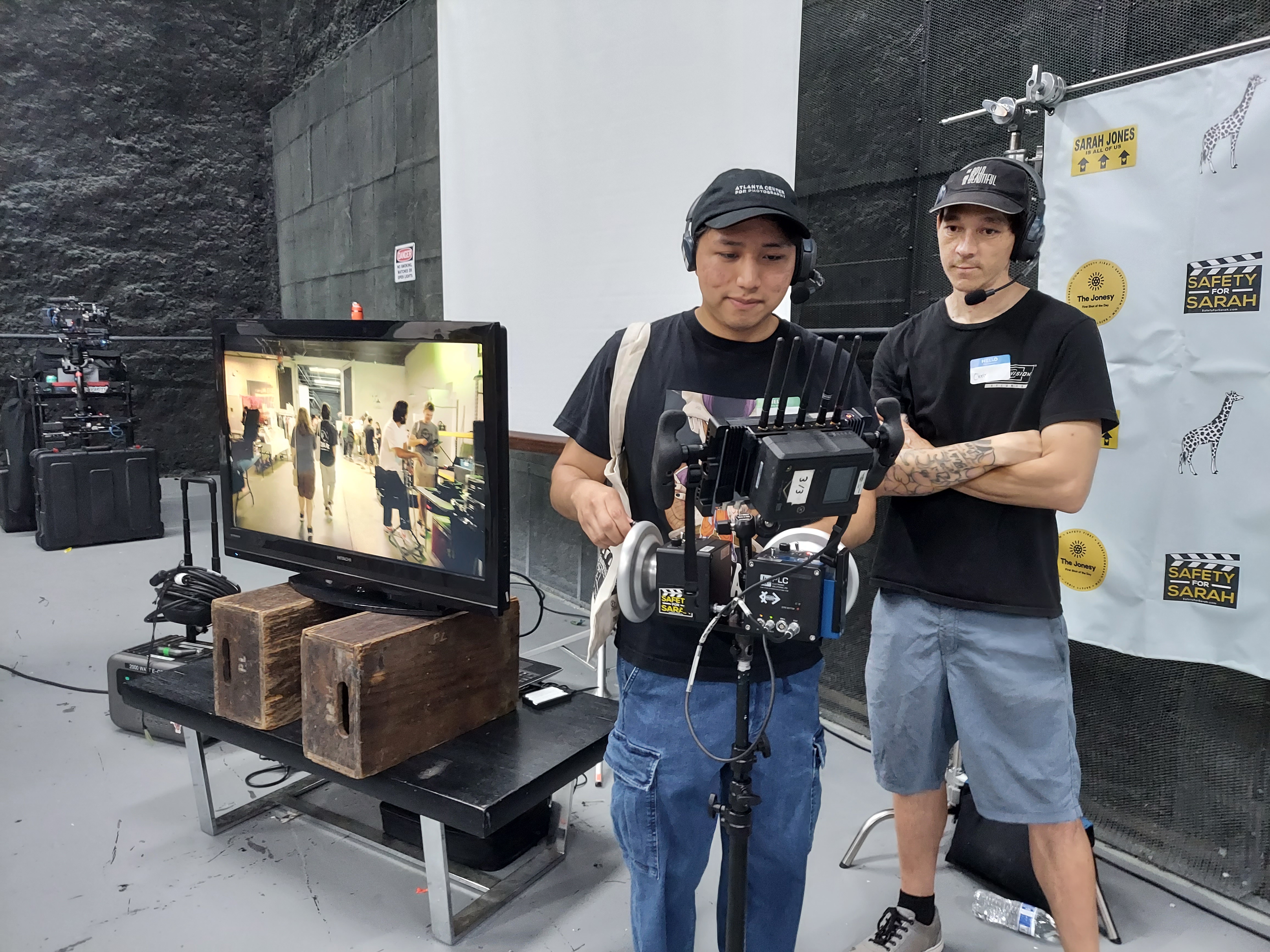
Kenya Campbell and Deanna Griffin did a DP/Gaffer fireside chat. It was great information to share with our audience as experience levels varied. Plus it is always great to learn new tips, tricks, and practical information to make you better at your job!

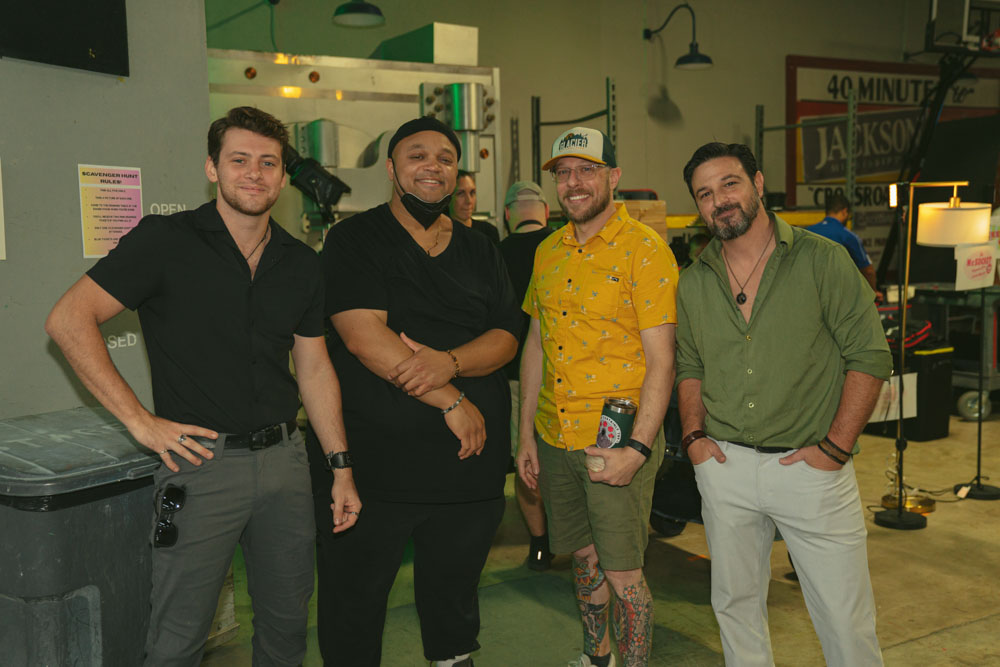
I can’t say enough about how this community came together! This, my friends, is what the film industry is all about. Working together towards a common goal. Sharing education and resources. Having a good time with your friends.

We’ll see you at the next one.
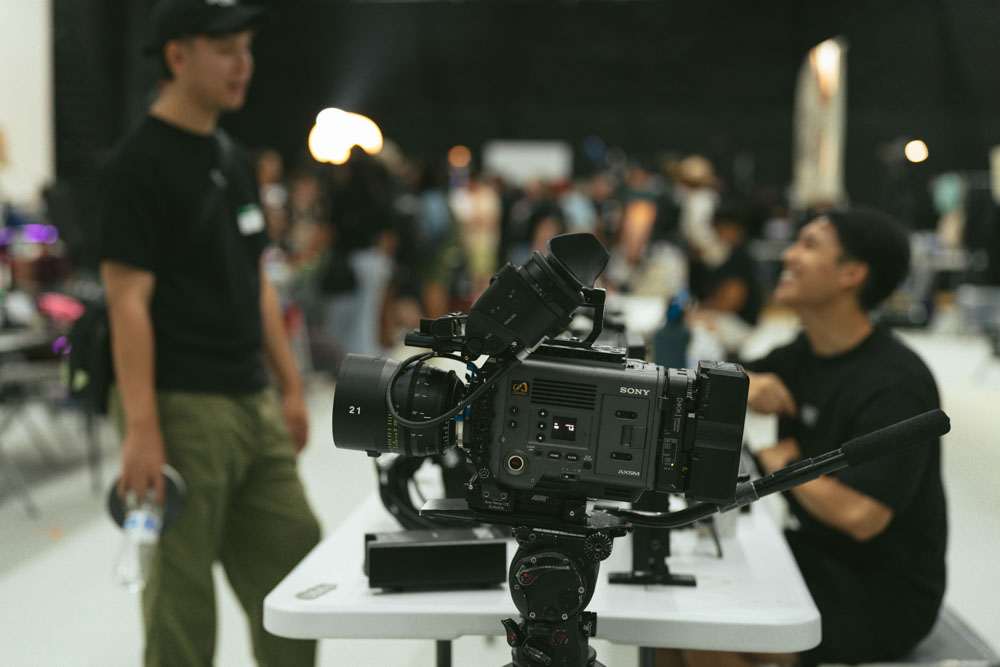
Photo Credit: Local 600 Still Photographer Josh Stringer
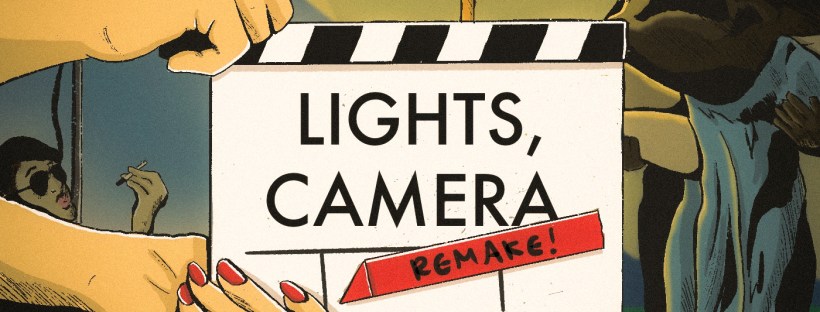
Lights, Camera Remake! A Podcast about Hollywood Unoriginality

Yet another person with a podcast. Oh my goodness. But let me explain.

One of the age-old complaints about movies and Hollywood in general is that there’s no originality left. We see endless remakes, reboots (slightly different), sequels, spinoffs and adaptations. Can’t they come up with anything new?

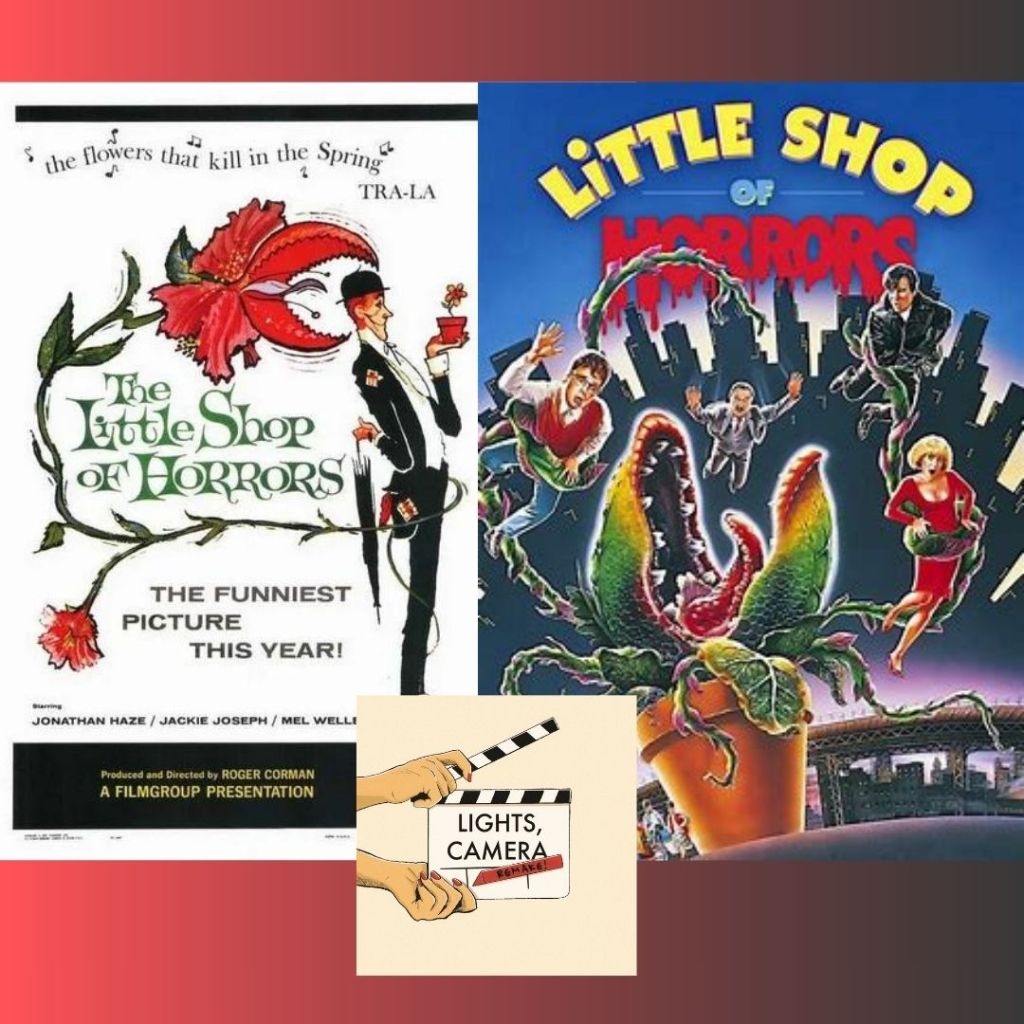
As I began to dig into this idea, I found some surprising things. Like the fact that Little Shop of Horrors -the musical comedy horror starring Rick Moranis and Ellen Greene? – was actually a remake of a low budget movie from 1960. Did you know that Martin Scorsese’s The Departed is based on a 2002 Hong Kong film Internal Affairs? 1998’s You’ve Got Mail is a remake of The Shop Around the Corner (1940). Ocean’s Eleven (2001) is a remake of Ocean’s Eleven (1960).

A remake of an old movie can bring a classic story to a new audience… and also sometimes make audiences really angry.

That passionate knee-jerk reaction is worth discussing.

I’d love to see more originality in the movie theater. The problem is — those movies have a harder time finding an audience.

Hollywood studios and executives are running a business, and they want to make money. And working with something that has established IP (like a Marvel movie, or a book adaptation, a remake) somewhat guarantees an audience will attend. At the end of the day, they just want to make money and make their shareholders happy. And they want to keep their jobs.

Anyway, my friend Erica Strout and I got talking, usually at work in between setups or at lunch. We met on a reality show TV show with myself working as the camera operator and Erica as my camera assistant. We became fast friends. And then we watched movies together. And had a lot of discussions about film in general.

Now we’re doing the Lights, Camera, Remake! Podcast.

This amazing artwork created by Taylor Rebyanski!

Is it always a bad thing to see a remake of a classic (or possibly unknown) movie? Our podcast looks to break it down and see if there’s merit to Hollywood shirking an original idea for a retelling.

On each episode we’ll look at a movie and its remake, or sometimes a movie and its sequel, to determine if Hollywood rehashed it for a reason or for a cash grab.

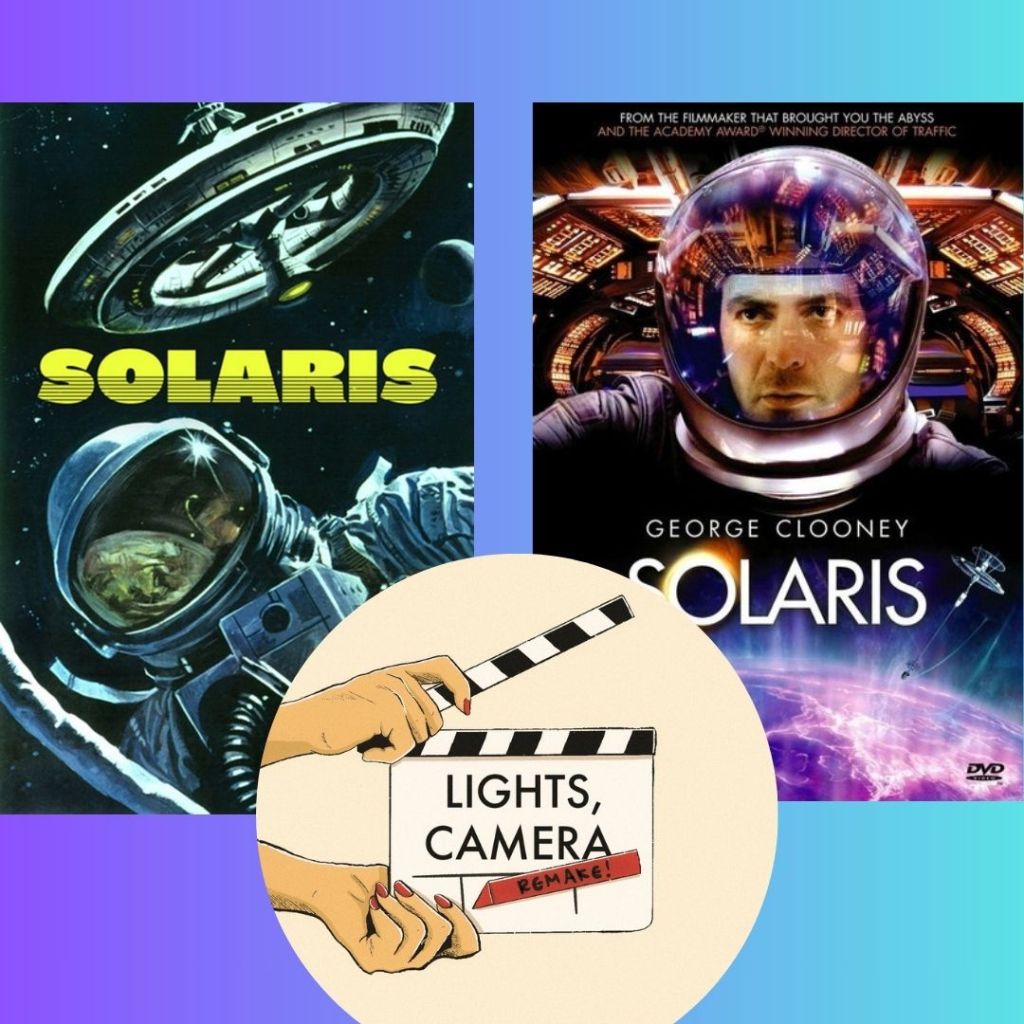
Episode 1 is about Solaris (1972) and Solaris (2002).

Solaris is an atmospheric Russian science fiction film based on a book. It was later remade in 2002 starring George Clooney.

You can listen to the episode on Spotify or right here:

Episode 2 is Little Shop of Horrors (1960) and (1986).

Next up this week is Weekend at Bernie’s! The episode will be uploaded on Wednesday, Jan 22.

Follow us on Spotify, Instagram and Facebook!

https://www.instagram.com/lightscameraremakepodcast/

https://www.facebook.com/profile.php?id=61560111332548

We’ve also got an email you can submit ideas, comments or random concerns too. We understand you have those.

LightsCameraRemakePodcast@gmail.com

http://www.screenrant.com/movies-secretly-remakes-surprising/

theenemyofaverage.com/movies-that-are-remakes/

The Evils of the Rolling Take and Reset

Let’s dig into a pet peeve of many on set: the rolling take.

A rolling take is when you keep shooting and keep repeating the action. Like an actor walking in to a room who flubs a line and goes back to start it over again. That can be a valid reason for a rolling take. No need to re-slate and re-call action. Just try it again.

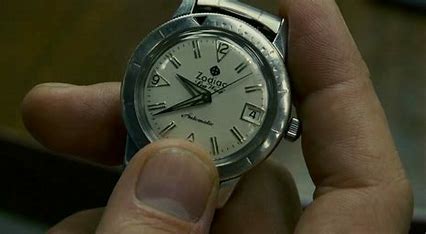
An Insert Shot: A watch being picked up and brought into the frame is a valid reason to do a series of the same action without cutting in between.

A rolling or series take might be done on a particular insert shot to get it right. Let’s say your actor needs to throw a letter to land on a desk just right. The director might ask for a series or rolling take in order to keep attempting that throw to get it the way they want. No fuss, no muss, and no wasting extra setup time to get that insert shot that you’ll see for two seconds on screen.

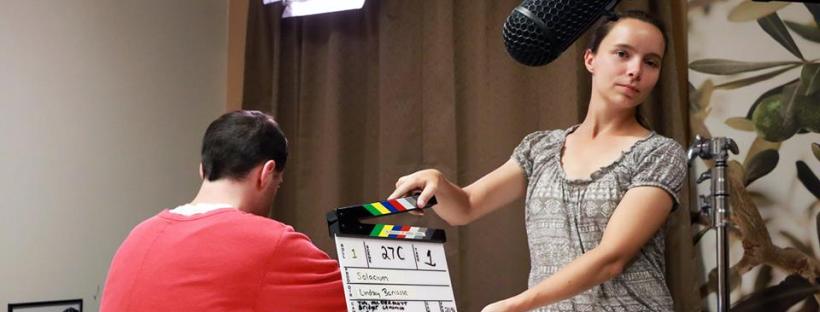
Directors don’t work the slate but I’ll allow this since it’s clipart.

Imagine this scenario: It’s after lunch. The Assistant Director is informing everyone for the third time that you are now an hour and a half behind on the schedule. You have several more scenes to light and shoot and somehow you have to make up a significant amount of time. Hence the anxiety that leads inexperienced directors to try shortcuts. One of those shortcuts is overusing a rolling take.

After experiencing this on a number of films, I’ve observed that green directors love to overuse the rolling take. They’re feeling the pressure and just trying to get footage in the can. The AD, meanwhile, is just trying to make their day. Now suddenly, you’re filming scene coverage as a rolling take, not cutting when you reach the end of the action, but waiting for the actor to reset and just going with it, maybe for multiple “takes.”

A rolling take going on and on is more trouble than it’s worth.

Time = Money

First, what should be obvious — you’re using up footage. This became less of a crisis when most of us went from actual film stock to digital, which is a much cheaper alternative, but digital does not mean free.

Film costs include the film stock, developing, processing, and digitizing so you can edit on a computer.

But just because you can hit “record” on a camera doesn’t mean that doesn’t cost money. Each card needs to be purchased, and you need to have enough available media to get through the day’s shooting without having to write over those cards with additional footage. Ideally, you want your DIT or media manager making backups throughout the day. That means the production also needs to purchase storage and backup storage for that media.

So let’s say you think you know the costs and you’re still cool with doing 40 minute takes instead of a few 5 minute takes. All that footage needs to be downloaded and viewed, meaning you’re paying for the media manager’s time to download that footage and make copies, as well as the editor down the line. A single 40 minute clip is just going to take longer to download and transfer. And you might be paying overtime to the media manager who is staying late dumping all that footage.

Wear and Tear on Cast/Crew

In the moment, if you abuse the rolling take, you’re quickly using up the energy reserves and physical strength of your cast and crew.

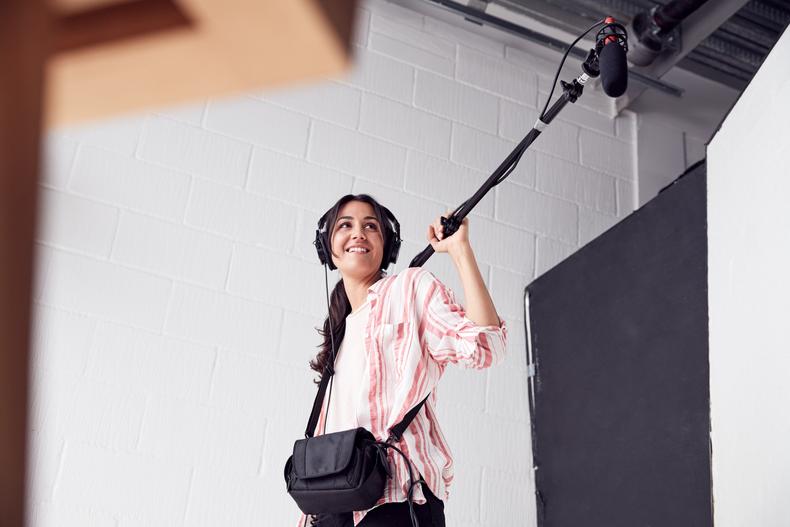
You’re also using up your camera operators and 1st ACs and boom ops and everyone doing something physical for that scene that no longer get that tiny bit of rest to reset themselves.

  • The cast has to stay in-the-moment and may get frustrated, flubbing lines more and more.
  • The boom op has to hold that boom pole and actively follow whoever is talking without getting that small break in between.
  • The camera operators might be doing handheld or Steadicam and are using up their muscles faster.
  • 1st ACs, staring at a screen for minute changes in focus, don’t get to rest their eyes.
  • Script supervisors’ notes get complicated as the same scene plays out multiple times in the same take.

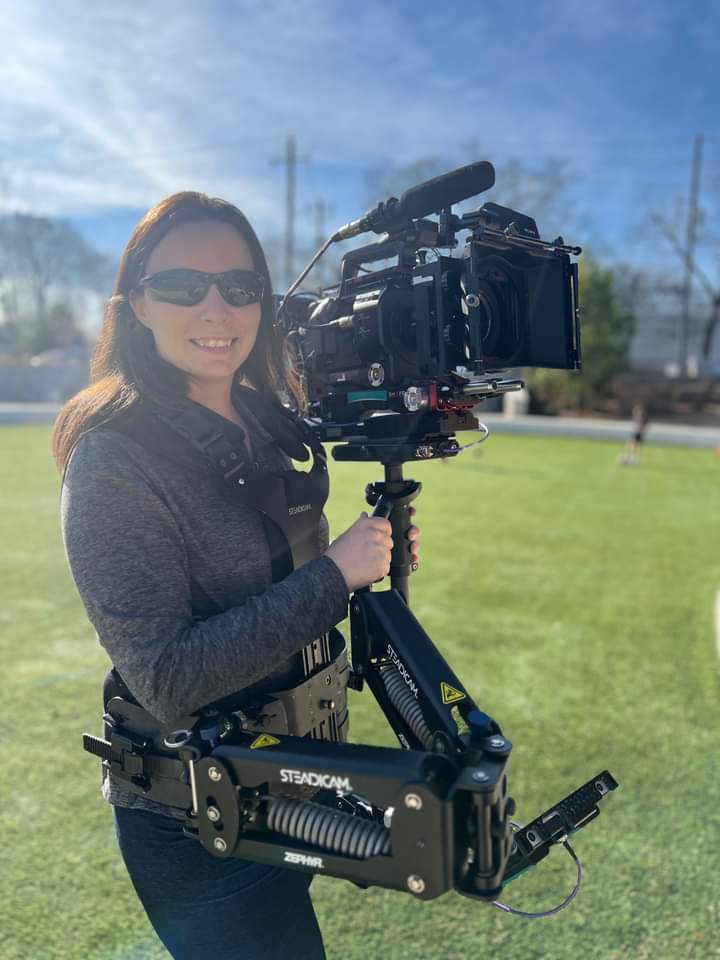
When I’m doing Steadicam or handheld, my least favorite thing is a rolling take, especially if it’s long. I just need time to reset. Sometimes there’s an adjustment needed in a handgrip on a shoulder rig or I need to fix the balance on the Steadicam.

Other concerns? Using up batteries! You might be playing beat the clock with what battery you have left in the camera or on the mic packs.

Closing Thoughts

Using a series or a rolling take can be done with purpose. It’s just another tool in your kit. Abusing it can lead you to creating an uncomfortable work environment for your crew. So before you panic and decide to just “roll on everything” look at it critically and see if a rolling take is necessary or if you need to re-evaluate and be more concise with your time.

Fear Street and How to Elevate your Horror Film

This post is going to be VERY spoilery for Fear Street 1994, Fear Street 1978 and Fear Street 1666 on Netflix. I recommend you watch them first. There’s some great surprises in this story you’re going to want to experience firsthand.

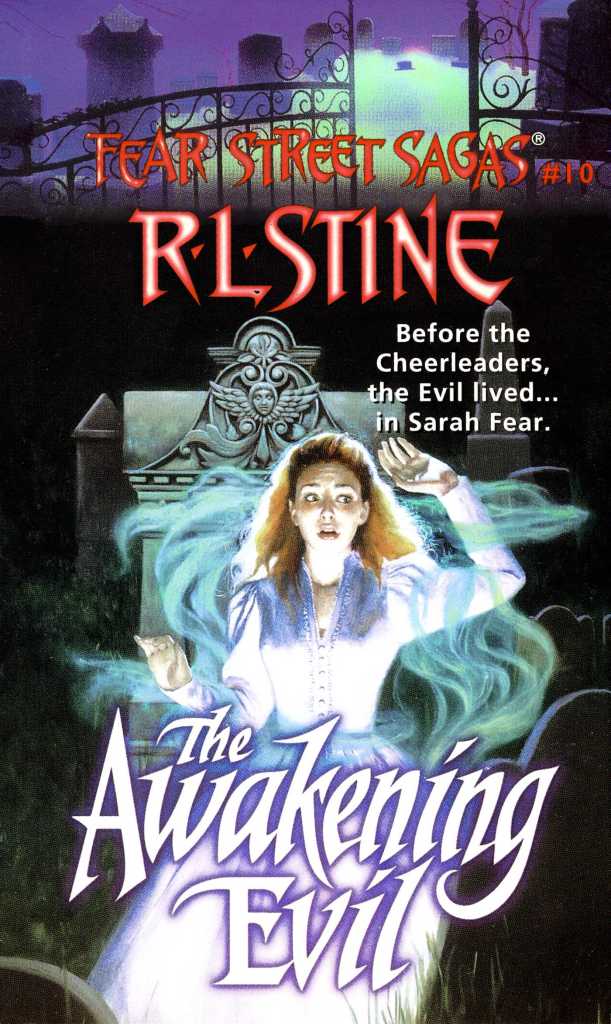
I read some of these Fear Street books as a kid. Each one began with a yearbook. Each one crossed out these pictures as the teenagers were killed off. The story that stuck out the most though was woven throughout the Fear Street and Fear Street Cheerleaders books: Sarah Fear and The Evil.

Sarah Fear was like “I woke up like this.”

The movies are loosely based on these. In this case that’s a good thing — the movies elaborate and elevate the campy horror I loved as a kid to something I really enjoy as an adult. Not only is it good horror, it’s smart.

There are many themes touched upon in the Fear Street movie series. I noted:

  • Racism/Classism (Shadyside vs Sunnydale. Even the names show a clear distinction in their fortunes, but Sunnydale’s good luck is at the expense of Shadyside’s sacrifice)
  • The Societal Harm of Misogyny (Literal witch hunts. Women who spurned the advances of men are accused of witchcraft – sentenced to death for the mere act of denying a man.)
  • Homophobia (The plot begins in 1666 with Sarah and Hannah accused of witchcraft since they love each other.)
  • Legacy and The Choice to Bear it or Break it (The Goode Family continuing their “traditions” to ensure their good fortune at the expense of others).
  • Reversal of Expectations (Goode = Evil. Fier/Fear = Innocence. Sunnydale is full of dark secrets, while Shadyside is innocent.)

I find that good horror, the stuff I want to watch again and again, isn’t just full of cheap scares. Good horror is about something.

My favorite horror movies are in the realm of It Follows, A Quiet Place.

Fear Street decided to be more than just a trio of slasher flicks. It’s clear depiction of classism separates and destroys people. Because one man, Solomon Goode, decided he wanted power over others, he doomed an entire town for generations. “The sun will shine on us yet,” he says, prophesying not that his crops will grow, but that he will be among the chosen few, at the expense of whoever is sacrificed.

Shadyside is plagued with gruesome murder and people being trapped in the town due to financial reasons. “Nobody ever leaves Shadyside” is a poignant line spoken from despondency. Sunnydale is the cookie-cutter perfect town. As long as each generation of Goode sacrifices someone to the evil forces that Solomon summoned, they will remain prosperous and carefree. Who cares if some teenagers die? Or a church full of children? Power over all becomes the ultimate evil here. The pulsating blob of malevolence in the caves is just a personification of that.

Forcing the Shadysiders to kill each other? That’s the whole dog eat dog mentality that plagues the working world. Step on someone to get ahead, that’s what the corporate bigwigs do right?

Nothing like someone over analyzing horror movies to ruin the mood, amiright guys?

But our Shadysiders make the ultimate decision to fight this. Our main characters band together to take down the evil. They fight against expectations and they honor the memory and wishes of Sarah Fier. The truth sets them free, and follows Goode to the end of his days.

When Deena and Sam emerge from the evil caves at the end of the third movie, they emerge in Sheriff Goode’s house. It’s beautiful, perfect, and full of mounted and taxidermied goats. Goats, of course, being a symbol of the Devil. The girls go out to the street, bloody and bedraggled. A neighbor spies them as he’s backing his car up, which causes him to be flattened by a passing truck. Sunnydale’s good luck is over and that is due to the actions of the Shadysiders.

If you are writing horror, you’d do well to take a page from Fear Street‘s book-to-movie adaptation. Making your movie about something other than just an axe wielding serial killer will capture your audience’s imagination, bring to light societal problems in the real world… and possibly lead to a few sequels. Anyone can write about some murderer picking off teenagers, but to make that story more than scares elevates your writing to the next level.

It’s been many years since I read the books, but I believe The Evil was originally Sarah Fear’s revenge personified. I distinctly remember her dying on her passage to America, cursing her sister or somebody for making her go on this journey. The movies decided to go deeper, and the revelation of the real evil was a great twist that made for excellent commentary on classism, misogyny and more.

I’d totally watch more of these, Netflix. Please continue giving Leigh Janiak the chance to direct them.

Making the No Budget Horror Film

Around 2016, I approached Lindsay Barrasse and David Corigliano of Voyager Video  with a script I wanted to shoot.

The project was the short horror film The Road Less Traveled, and after a couple years of pre-production, re-writes, rescheduling, etc — we brought it to reality. Not just that, it’s also been accepted to over 20 film festivals and won 3 awards: Best Suspense at Con Carolinas Film Festival, Best in Show at the Sands Film Festival and Best Director at the Highlands Film Festival.

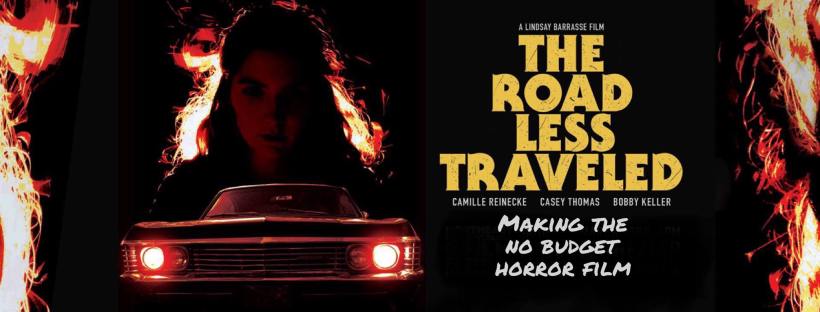
rlt poster


Genius poster design by Des Z Graphics. You can see more of her work here.

Here I will go over the basics of putting together the no-budget short film so you can apply similar principles to your own film making exploits.

I’m keeping some details vague because I want you to see this film at a screening without being spoiled.

Script

Even a short film needs a good script. The Road Less Traveled (originally Hunted and something a little more spoilery) went through about 15 total drafts.

The Road Less Traveled versionsAround 15 drafts in 3 different screenwriting programs

I wrote the very first, very rough draft in 2014 while I was still at SCAD. In it, a girl named Mia is abandoned at a bar by her friends, and is captured by two bad men in a badass car for nefarious purposes.

I had my dear friend Masha T. Jones, a fantastic writer, critique the first early drafts. She gave me great pointers. Eventually the story shaped into what it needed to be for me to present it to Lindsay to direct.

With Lindsay’s creative mind attached, we added a scene with a gas station attendant to set up our story’s main antagonist, Clyde.

Thanks to the helpful critiques of my fellow creatives, the script morphed from a thing with too many locations and characters to a road movie with a new destination. And that destination came about because of location issues.

Locations

When RLT was submitted to Screencraft’s Short Film Production Fund Contest, we were in the running for a 10K budget, but only managed the semi-finals. We could no longer afford to rent the slaughterhouse location we originally envisioned. After several location scouting days driving around rural Northeast Pennsylvania, Lindsay quite by accident found a client who said he had an old creepy barn he’d be willing to let us shoot in. Ronald Augelli of We Talk Shirty invited us to his property to check out the place, and after I took some location pics, we knew we found the right place where Clyde might take his victim.

The Crew

The core crew consisted of myself, Lindsay Barrasse, David Corigliano and Desiree Zielinski. We all wore multiple hats.

We all worked on separate aspects during pre-production. Lindsay and Dave were the producing team, bringing all the elements together. Desiree was off doing amazing production design, I built the monster.

The reason this all worked was because we’ve all worked with each other before, multiple times. But we also broke up the filming into reasonable chunks and worked around people’s schedules.

The best piece of advice to keep a crew happy? Make sure they’re fed. Lindsay and I split up craft services duties — we always tried to have coffee and snacks and beverages on set at all times. At the end of two major shoot days I bought everyone dinner at a local diner. A fed crew is a happy crew.

Practical Effects

We did not have the budget to hire someone to do VFX. That left one avenue for production — all practical effects.

Our fog machine broke the day we needed it, so we ended up asking Dave — such a sport — to vape-pen throughout a scene outdoors at night so we could get that lovely texture in the air. (Don’t do this, just get another fog machine!)

Our monster at the end of the story? I’ve been asked at several screenings how I did the VFX on that. There wasn’t any. That monster was created through several awkward trips to Jo-Ann’s Fabric and Michaels in Dickson City. I actually put some detail into it — moving mouth and eyes, realistic teeth and claws — but it looked a little goofy so I told Lindsay, “Let’s make sure we only see this thing in silhouette.” Sometimes the Jaws approach is best when you don’t have a professional making your monster.

Equipment

I was luckier than most, because Voyager Video is a full on production company. Lindsay and Dave came complete with lighting and sound gear. We used my Sony A7S and one of their cameras along with basic light panels.

BTS RLT 3

Scheduling and Problem Solving

Our biggest hurdle was probably scheduling. This short film, though only about 11 minutes long, took us about 2 years to produce. That was because 1. we were shooting at the tail end of fall when the leaves are giving up the ghost. and 2. we had to work around everyone’s schedules.

The caveat of filming and asking everyone to work for free is you need to be very reasonable with their time. Everyone had work, different projects, plays and events to be a part of that couldn’t be put on hold for this film. So we filmed it in pieces when we could get people together. We literally had to stop filming at one point because it snowed soon after.

Some of the drone flying shots were done by Jonathan Edwards in January. Let me tell you, driving a ’67 Impala with NO HEAT in the buttcrack of winter is not fun. I was wearing a heavy winter jacket, a blanket, and several conveniently placed Hot Hands to keep me from freezing while I drove the car.

Separating that filming time caused other unique issues. One, Casey Thomas, our Clyde, misplaced his trademark green jacket before we were done with it, so we replaced it with another, similar looking one. Camille’s (Mia) red dress got a rip from running around a previous shoot day, so we avoided seeing that part of her dress the next time. Camille had also gotten an extremely different haircut, so the hair you see in the final moments of the film is actually some faux extensions she added back in. Movie magic!

1967 Impala at NEPA FFThe Impala visited the Northeast Pennsylvania Film Festival earlier this year.

Working with an antique car means you might have some surprises, as I did when I tried driving it to set one day and it petered out on a hill. I became a bit of an amateur mechanic that day, sleuthing what the problem might be. Water in the gas? Bad connection somewhere? When my Dad returned from vacation we found it was power related and replaced the alternator, spark plugs and spark plug wires. After a little tuning, it ran fine.

Plan for any and every eventuality on your own film — and you’ll still be surprised by something. It happens on every set, but being able to work around small issues will be pivotal in making your own short film happen.

Film Festivals

We submitted to very specific film festivals. We picked genre specific film festivals and festivals connected to conventions. Since our subject was horror, and we had a geeky Supernatural homage in there, that was our best bet.

Upcoming Screenings for The Road Less Traveled

NEPA horror film festival other posterOctober 13th – Dickson City, PA
  • October 13, 2019 — NEPA Horror Film Festival

It’s at a drive-in movie theater! The Road Less Traveled will be screening during the local films block. You can also see Enoch, a film I did the Steadicam work on. Tickets for the film fest are $10 online, and $14 at the gate.

See our event page here.

sick chick flicksOctober 12th – Cary NC
  • October 12, 2019 — Sick Chick Flicks Film Festival in Cary, NC.

Let us know if you can make it! Passes start from $20. See details on the website.

See our event page here.

  • October 13 – The Hobnobben Film Festival in Fort Wayne, IN.

See the film festival site for tickets and schedule here.

pa indie shorts.jpg

  • November 2, 2019 — Pennsylvania Indie Shorts Film Festival at Pocono Cinema and Cultural Center in East Stroudsburg, Pennsylvania.

An internationally curated short film festival, right in East Stroudsburg. Say hi to my alma mater ESU for me!

  • November 19-22 – The Great Northern Creative Expo at The Media Factory Kirkham Street Preston, Lancashire PR1 2XY (The UK).

See our event page here.

You can follow our ongoing journey at our Facebook page.

Find us on Instagram: theroadlesstraveledfilm